Article Overview
- Natural ageing, decades of sun exposure, and external stressors can all impact the appearance and texture of skin. “Crepey skin” is the blanket term often used to characterise skin thinning and changes in elasticity.
- Thinning and laxity deterioration are a normal sign of skin ageing, but these visible concerns can be compounded by poor lifestyle and skincare habits. However, it’s never too late to address skin firmness and, if you want to take a preventative approach, you can start forming anti-ageing skin habits now.
- Read on to find out what causes crepey skin and how to build a skincare routine that supports skin elasticity and firmness.
What is crepey skin?
Crepey skin is characterised by thin, fragile, finely wrinkled texture that resembles ‘crepe’ or tissue paper. Different from the deep structural wrinkles that appear in specific areas of the skin (and begin as dynamic wrinkles from facial expressions), crepey skin is the overall ‘loose’ or ‘papery’ feel of larger areas of skin.
Crepey skin is often found on the neck and décolletage, inner arms, hands, knees, and face – especially around the eye contour, where skin is already thinner.
What causes crepey skin?
The primary cause of crepey skin is the skin’s gradual breakdown of collagen and elastin – two essential proteins that give skin its firmness, density and elasticity.
The body naturally produces its own collagen and elastin, but this production declines as we age – even more so during menopause. This can ultimately lead to skin sagging, thinning, and losing its natural bounce.
While collagen and elastin loss is the main driver of crepey skin, there are other contributing factors that may accelerate age-related textural changes in skin:
• Continual UV exposure and sun damage breaks down collagen and elastin fibres.
• Dehydration and lower sebum production can impact the skin’s volume and accentuate crepey skin.
• Genetics play a role in your skin’s density and how much collagen it produces.
• Excessive or rapid weight loss can cause skin to stretch and thin.
• Lifestyle factors like smoking and poor diet can also impact collagen and elastin production and impede the skin’s ability to retain moisture.
How to prevent and manage crepey skin: 5 crepey skin solutions
You might first notice signs of crepey skin in your 40s and beyond, typically in those thinner-skinned areas. However, depending on the aforementioned lifestyle factors, you might spot changes in skin elasticity and density earlier.
Whether you’re preventing crepey skin from forming or trying to manage existing textural concerns, we’ve curated five crepey skin solutions to help you smooth and firm skin.
From a skincare overhaul to a few lifestyle tweaks, find out what helps crepey skin below.
1. Use collagen-stimulating skincare
With collagen loss being the determiner for skin thinning, crepey skin repair starts with collagen-boosting skincare ingredients.
• Retinol: A powerhouse for smoothing fine lines and wrinkles, retinol is also renowned for its capacity to stimulate collagen synthesis. If you’re new to retinol, we recommend the Retinol 0.3 Anti-Ageing Night Cream, which is formulated specifically for first-time users.
• Vitamin C: Like retinol, vitamin C is able to stimulate collagen production, but it also protects skin against free radical damage – making it ideal for preventing crepey skin. For targeted care, we recommend the C E Ferulic Vitamin C Serum, a potent antioxidant serum that firms ageing skin.
• Peptides: These short chain amino acids act as signal receptors, telling the skin to produce more collagen. You can use the P-TIOX Peptide Serum to introduce peptides into your crepey skin repair routine.
2. Hydrate from the inside out
No matter what your age, your skin requires a two-pronged approach to hydration: sufficient water intake and surface hydration. To be sure you’re meeting your daily water target, drink between two to three litres of water each day.
As for topical hydration, we recommend incorporating humectants into your skincare routine. Humectants – like hyaluronic acid and glycerin – are famed for their ability to attract and bind water to the epidermis. Your skin’s natural supply of hyaluronic acid also dwindles with age, but you can supplement this moisture loss with facial serums to support plumper, firmer skin.
To powerfully hydrate and plump crepey skin, we suggest the Hyaluronic Acid Intensifier Multi-Glycan, a hyaluronic acid-enriched serum that counteracts volume loss and provides structural support to mature skin.
3. Strengthen the skin moisture barrier
We’ve touched on hydration already, but the main component of this is the skin moisture barrier – your skin’s natural defence system that keeps out harmful aggressors that can impact your skin’s texture and appearance.
A fortified skin moisture barrier is the foundation of any skincare routine, but especially an anti-ageing one – because crepey skin is accentuated by environmental damage. .
Alongside strong skin moisture barrier support, the A.G.E Interrupter Advanced Anti-Wrinkle Cream is one of the best moisturisers for ageing skin because it inhibits the glycation process – which affects your skin’s collagen and elastin levels. This crepey skin cream can be used daily, morning and night.
4. Wear SPF daily
Active ingredients are one thing, but learning how to manage crepey skin means understanding that targeted care is as much – if not more so – about prevention.
Apart from natural ageing, cumulative UV damage is the major cause of crepey skin, so we can’t afford to take a flippant approach to sun protection. Ensure that you apply SPF every morning at the end of your skincare routine.
For your face and neck, we recommend the Ultra Facial Defense Sunscreen SPF50, which offers high-level protection against UVA and UVB rays in a lightweight, comfortable texture.
5. Make healthy lifestyle changes
Skin stressors like alcohol and smoking can contribute to free radical damage that causes crepey skin, so consider eliminating or reducing your consumption.
In addition to caring for your skin with supportive skincare ingredients and daily SPF application, it’s important to ensure that you’re looking after your skin with a balanced, antioxidant-rich diet.
Next, we’re delving into vitamin C and ferulic acid – a powerful anti-ageing duo that work together to prevent crepey skin and deeper set wrinkles.
Shop Featured Products
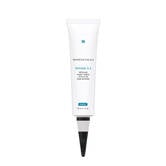
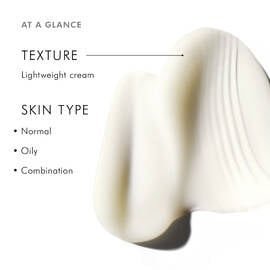
Retinol 0.3 Anti-Ageing Night Cream
A concentrated facial cream featuring 0.3% pure retinol to improve the appearance of visible signs of ageing and minimise breakouts
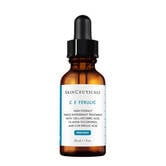
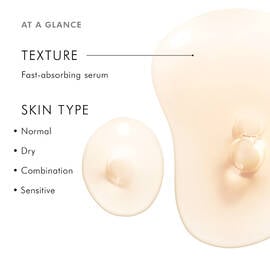
C E Ferulic Vitamin C Serum
A vitamin C serum for fine lines and wrinkles.
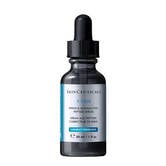
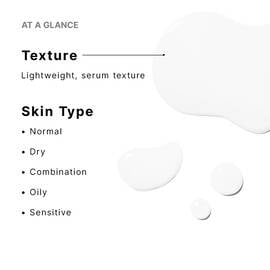


P-TIOX Peptide Serum
An advanced peptide anti-wrinkle serum designed to visibly reduce hard to treat wrinkles and fine lines
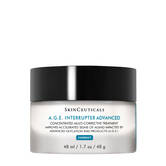
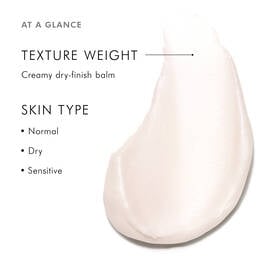
A.G.E Interrupter Advanced Anti-Wrinkle Cream
An advanced anti-wrinkle cream formulated to target glycation, visibly improve firmness and reduce fine lines