Article Overview
- Perimenopause and menopause introduce significant hormonal shifts that alter skin. Declining estrogen levels reduce collagen, leading to dryness, skin thinning, and reduced firmness. These changes can also cause sensitivity, hyperpigmentation like age spots, and menopausal acne. Adapting your skincare routine with specific ingredients and practices is essential to support skin health during this transition. Key ingredients include hydrators like hyaluronic acid, collagen-supporters such as retinoids, and soothing agents like niacinamide. A consistent routine focusing on gentle cleansing, antioxidant protection, targeted treatments, and daily sun protection helps manage these skin concerns effectively.
What happens to your skin during perimenopause and menopause?
During perimenopause and menopause, declining hormone levels, particularly estrogen, cause multiple changes in the skin.
- Dryness and Barrier Impairment: Sebum production decreases, and the skin's moisture barrier weakens. This leads to dryness, flaking, and increased water loss from the skin.
- Collagen and Elastin Decline: Estrogen is vital for collagen production. Skin can lose up to 30% of its collagen in the first five years of menopause according to Stevenson, S., & Thornton, J. (2007). Effect of estrogens on skin aging and the potential role of serms. This results in loss of firmness, elasticity, and the formation of wrinkles.
- Skin Thinning: The reduction in collagen and cell turnover rate causes both the epidermis (outer skin layer) and dermis (deeper layer) to become thinner and more fragile.
- Sensitivity and Redness: A compromised skin barrier makes the skin more susceptible to irritants and environmental stressors, often leading to increased sensitivity, redness, and conditions like rosacea.
- Age Spots (Hyperpigmentation): Years of sun exposure combined with hormonal changes can lead to an overproduction of melanin, causing dark spots or solar lentigines to appear on the face, chest, and hands.
- Texture Changes: Loss of hydration and structural proteins like collagen can make skin feel rougher and appear crepey.
- Menopausal Acne: While estrogen decreases, androgen levels can remain more constant. This hormonal imbalance can trigger breakouts and clogged pores, even in individuals who did not have acne previously.
- Facial Hair: The relative increase in androgen levels can also lead to the growth of thicker, darker hair on the chin, jawline, and upper lip, a condition known as hirsutism.
How do declining estrogen and collagen affect skin health?
Declining estrogen has a direct impact on skin structure and function, primarily by affecting collagen levels. Estrogen receptors are present in skin cells, including fibroblasts, which are responsible for producing collagen, elastin, and hyaluronic acid.
Estrogen stimulates collagen synthesis, maintains skin thickness, and supports the production of natural hydrating substances. It also plays a role in producing ceramides and other lipids that form the skin's protective moisture barrier.
When estrogen levels fall during menopause, this stimulation ceases. The result is a rapid decline in collagen production. This loss of structural protein makes the skin thinner, less firm, and more prone to sagging and wrinkles. The reduction in lipids and hyaluronic acid impairs the skin's ability to retain moisture, leading to chronic dryness (xerosis) and a weakened barrier that makes skin more reactive and sensitive to external factors.
Menopause-friendly AM/PM Skincare Routine ?
A consistent, gentle routine is important for supporting menopausal skin. The focus is on hydration, protection, and targeted repair.
Morning (AM) Routine:
- Cleanse: Use a gentle, hydrating cleanser or simply rinse your face with lukewarm water to preserve natural oils.
- Antioxidant Serum: Apply a Vitamin C serum like SkinCeuticals C E Ferulic to protect against environmental damage and support collagen.
- Hydrating Serum: Layer a hyaluronic acid serum, such as SkinCeuticals Hydrating B5 Gel, to draw moisture into the skin.
- Moisturiser: Use a barrier-supporting moisturizer to lock in hydration.
- Sunscreen: Finish with a broad-spectrum sunscreen with SPF 30 or higher, like SkinCeuticals Ultra Facial Defense SPF 50+.
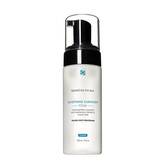
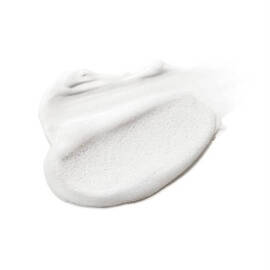
Soap-Free Foaming Face Cleanser
Non-comedogenic, soap-free foaming face wash suitable for post-aesthetic procedure or sensitive skin.
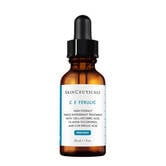
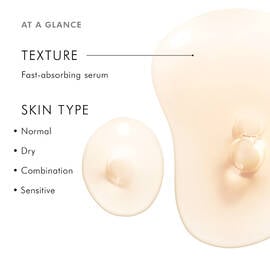
C E Ferulic Vitamin C Serum
A vitamin C serum for fine lines and wrinkles.
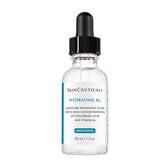

Hydrating B5 Serum
A hydrating, gentle hyaluronic acid gel serum that replenishes moisture and restores radiance
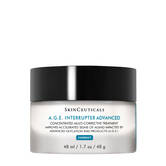
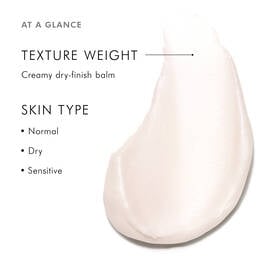
A.G.E Interrupter Advanced Anti-Wrinkle Cream
An advanced anti-wrinkle cream formulated to target glycation, visibly improve firmness and reduce fine lines
Evening (PM) Routine:
- Cleanse: Use a creamy or oil-based cleanser to remove makeup, sunscreen, and impurities without stripping the skin.
- Treatment: Apply a targeted treatment. Alternate nights between a retinoid (e.g., SkinCeuticals Retinol 0.3) to boost collagen and a gentle acid for exfoliation.
- Moisturiser: Apply a rich, barrier-repair moisturiser containing ingredients like ceramides or peptides to nourish and repair skin overnight.
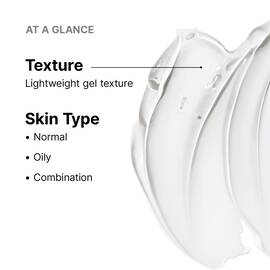
Simply Clean Makeup Removal Cleanser
Refining gel cleanser that stimulates enzymatic exfoliation efficiently removing excess oils
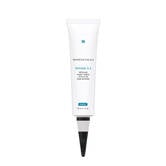
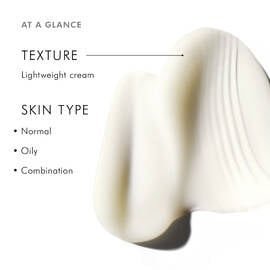
Retinol 0.3 Anti-Ageing Night Cream
A concentrated facial cream featuring 0.3% pure retinol to improve the appearance of visible signs of ageing and minimise breakouts
When introducing new active ingredients like retinoids or acids, start by using them only 2-3 times per week. Gradually increase the frequency as your skin adapts. Always layer products from the thinnest consistency to the thickest.
Which ingredients are best for menopausal skin?
Choosing ingredients that address dryness, collagen loss, and sensitivity is key for a menopausal skincare routine.
- Hydrators and Barrier Builders:
- Hyaluronic Acid and Glycerin: These humectants attract and bind water to the skin, providing immediate hydration.
- Ceramides, Squalane, and Shea Butter: These lipids replenish the skin's natural moisture barrier, preventing moisture loss and reducing irritation.
- Collagen Support:
- Retinoids (Retinol, Retinal): Considered the gold standard for anti-ageing, retinoids accelerate cell turnover and stimulate collagen production to improve firmness and reduce wrinkles.
- Peptides: These amino acid chains act as building blocks for proteins like collagen and elastin, helping to improve skin structure.
- Vitamin C (L-ascorbic acid): A potent antioxidant that is essential for collagen synthesis and helps protect existing collagen from degradation.
- Soothing Ingredients:
- Niacinamide (Vitamin B3): This versatile ingredient helps strengthen the skin barrier, reduces redness, regulates oil, and can improve skin tone. SkinCeuticals Metacell Renewal B3 uses 5% niacinamide to support these functions.
- Panthenol (Vitamin B5): A humectant with soothing properties that helps improve skin hydration and reduce inflammation.
- Centella Asiatica: Known for its healing and anti-inflammatory properties, it helps calm sensitive or irritated skin.
- Tone-Eveners:
- Vitamin C and Azelaic Acid: These ingredients help inhibit melanin production to visibly brighten the skin and reduce the appearance of dark spots.
- Tranexamic Acid and Licorice Root Extract: Effective at targeting hyperpigmentation and promoting a more even skin tone.
How can you treat age spots, dullness, and uneven tone safely?
Treating hyperpigmentation during menopause requires a consistent and gentle approach to avoid causing irritation.
The most important step is daily use of a broad-spectrum sunscreen with an SPF of 30 or higher. Sun protection prevents new dark spots from forming and keeps existing ones from darkening.
Incorporate targeted brightening ingredients into your routine. A daily Vitamin C serum, like SkinCeuticals Phloretin CF, provides antioxidant protection while helping to fade discoloration. Products containing azelaic acid or tranexamic acid can also be used to target stubborn pigmentation.
Use gentle chemical exfoliants 1-2 times per week to remove dull, pigmented surface cells and improve skin radiance. Lactic acid or low-concentration glycolic acid are suitable options. Avoid over-exfoliation, which can damage the skin barrier and worsen sensitivity.
What’s the best way to manage menopausal acne without over-drying?
Managing menopausal acne-prone skin involves targeting breakouts while maintaining skin hydration and barrier health.
- Use Gentle Cleansers: Switch to a non-stripping, pH-balanced cleanser like SkinCeuticals Gentle Cleanser to clean skin without compromising its moisture barrier.
- Incorporate Specific Actives:
- Azelaic Acid: This ingredient is effective for both acne and post-inflammatory hyperpigmentation. It helps unclog pores and reduce inflammation with a low irritation potential.
- Salicylic Acid: Use a salicylic acid product, like SkinCeuticals Blemish + Age Defense serum, as a targeted spot treatment rather than applying it all over the face to prevent widespread dryness.
- Retinoids: Retinoids like retinol are highly effective for menopausal skin as they address both acne by regulating cell turnover and signs of ageing by stimulating collagen.
- Avoid Harsh Ingredients: Limit the use of high-concentration benzoyl peroxide, which can be excessively drying on menopausal skin.
- Prioritise Moisturisation: Always follow acne treatments with a hydrating, non-comedogenic moisturizer to balance the skin and support its barrier.
How often should you exfoliate menopausal skin?
Exfoliation for menopausal skin should be gentle and infrequent to avoid damaging the already fragile skin barrier.
The safest acids are typically alpha-hydroxy acids (AHAs) with larger molecular sizes, which penetrate more slowly and cause less irritation.
- Lactic Acid and Mandelic Acid: These are excellent choices for dry, sensitive skin due to their hydrating and gentle exfoliating properties.
- Glycolic Acid: Can be used in low concentrations or in wash-off formulas, but higher percentages may be too strong.
- Beta-Hydroxy Acid (BHA): Salicylic acid is best reserved for spot-treating acne-prone areas due to its oil-soluble nature.
Start by exfoliating just once or twice a week in the evening. Pay close attention to your skin's response. Signs of over-exfoliation include redness, stinging, peeling, tightness, and increased sensitivity. If you notice these signs, stop exfoliating and focus on barrier repair with hydrating and soothing ingredients.
Should you consider topical estriol or hormone therapy for skin?
Topical estriol (a weak form of estrogen) and systemic hormone replacement therapy (HRT) are medical treatments that can address the root cause of hormonal skin ageing.
Topical estriol creams may help improve skin hydration, elasticity, and thickness by directly stimulating the estrogen receptors in the skin. Some studies suggest they can increase collagen production and reduce wrinkle depth.
These are prescription treatments and must be discussed with a doctor or clinician. A healthcare provider can evaluate your medical history and discuss the potential benefits and risks associated with any form of hormone therapy. If prescribed, these products can be integrated into a supportive skincare routine that includes cleansing, moisturizing, and sun protection.
What lifestyle and nutrition changes support healthier skin?
Lifestyle and nutrition choices play a significant role in skin health during and after menopause.
- Hydration and Nutrition:
- Drink plenty of water throughout the day.
- Consume foods rich in omega-3 fatty acids (like salmon and walnuts) to support the skin barrier.
- Eat a diet high in antioxidants from colorful fruits and vegetables to combat free radical damage.
- Ensure adequate intake of protein and vitamin C, which are essential for collagen synthesis.
- Habits to Limit:
- Reduce alcohol consumption, as it dehydrates the skin.
- Avoid smoking, which accelerates collagen breakdown and skin ageing.
- Take shorter, lukewarm showers instead of long, hot ones that can strip the skin of its natural oils.
- Wellness Practices:
- Prioritize 7–9 hours of quality sleep per night, as skin repair is most active during sleep.
- Manage stress through practices like yoga, meditation, or deep breathing, as the stress hormone cortisol can degrade collagen.
- Engage in regular exercise to improve blood circulation, which delivers oxygen and nutrients to the skin.
How do you care for thinning, crepey skin on the neck, chest, and hands?
The skin on the neck, chest (décolletage), and hands is often thinner and shows signs of ageing and sun damage prominently.
Extend your facial skincare routine down to these areas. Apply your antioxidant serum, retinoid, and moisturizer to your neck and chest. Most importantly, apply broad-spectrum sunscreen to all exposed areas every morning. SkinCeuticals Tripeptide-R Neck Repair is specifically formulated with 0.2% pure retinol to target signs of ageing on the neck.
For the hands, use a rich hand cream containing ingredients like ceramides or urea throughout the day, especially after washing. At night, apply a thick layer of moisturizer or a retinoid product and consider wearing cotton gloves to enhance absorption.
Which products should I avoid during menopause?
During menopause, it is important to avoid products and habits that can strip the skin and compromise its barrier.
- Harsh Cleansers: Avoid foaming cleansers with sulfates (like sodium lauryl sulfate) that strip natural oils.
- Abrasive Scrubs: Physical scrubs with large, rough particles can cause micro-tears in thinning skin. Opt for gentle chemical exfoliants instead.
- High-Percentage Acids: Frequent use of high-concentration AHAs or BHAs can lead to irritation and barrier damage.
- Astringent Toners: Avoid alcohol-based toners that dry out the skin.
- Heavy Fragrance: If your skin has become more sensitive, choose fragrance-free products to minimize the risk of irritation.
Always patch-test new products on a small area of skin, such as behind the ear or on the inner arm, for 24–48 hours before applying them to your entire face.
What in-office treatments help menopausal skin concerns?
For more significant results, several in-office treatments performed by a dermatologist or qualified clinician can address menopausal skin concerns.
- Prescription Tretinoin: A doctor can prescribe this potent form of retinoid for advanced collagen stimulation.
- Chemical Peels: Professional-grade peels can effectively treat hyperpigmentation, uneven texture, and fine lines.
- Non-Ablative Lasers: Treatments like Fraxel or Clear + Brilliant stimulate collagen production deep within the dermis with minimal downtime.
- Ultherapy: Known as the non-surgical facelift, this treatment promotes collagen production.
- Intense Pulsed Light (IPL): IPL is highly effective for targeting brown spots (hyperpigmentation) and redness by breaking up pigment and targeting superficial blood vessels.
Each treatment targets specific concerns and has different levels of downtime. A consultation with a professional is necessary to determine the most suitable option for your skin.
When should you see a dermatologist?
While many menopausal skin changes can be managed with an adapted skincare routine, it is important to see a dermatologist for certain concerns.
Consult a dermatologist if you experience:
- Persistent dryness, itching, or discomfort that does not improve with moisturisers.
- Flares of inflammatory skin conditions like eczema or rosacea.
- Acne that is severe, painful, or causing scarring.
- Any new, changing, or unusual spots on your skin, which could be a sign of skin cancer.
- Intolerance or adverse reactions to multiple skincare products.
A dermatologist can provide a personalised treatment plan, prescribe medications like tretinoin or hormone therapies, and recommend appropriate in-office procedures.