Article Overview
- The skin moisture barrier, also known as the stratum corneum, is the outermost layer of your skin and acts as your first line of defense against the outside world. Think of it as a protective brick wall, keeping the good stuff in and the bad stuff out. When the moisture barrier function is compromised, due to skincare habits, environmental aggressors, or other factors, it not only affects the skin's appearance, but its ability to protect the deeper layers of skin. Below we'll discuss the causes causes, ways to restore and steps for maintaining a resilient skin moisture barrier.
What is the skin barrier made of?
The skin barrier is made up of three components: corneocytes, lipids and Natural Moisturising Factors (NMFs). Corneocytes are flattened, dead skin cells that form the “bricks” of the moisture barrier. Lipids are the “mortar” holding corneocytes together, including ceramides, cholesterol and free fatty acids, acting as a seal that prevents moisture loss. Natural Moisturising Factors are humectants that attract and retain moisture within the skin, including hyaluronic acid, urea and amino acids. These components all work together to hydrate and protect the skin.
What does the skin moisture barrier do?
The skin moisture barrier has three key functions:
• Protection : It shields your skin from environmental aggressors like pollution, UV radiation, and irritants.
• Hydration : It prevents transepidermal water loss (TEWL), keeping your skin hydrated and supple. It does this by retaining natural moisturising factors (NMFs) within the skin.
• Defense : It helps defend against infection and irritation by maintaining a slightly acidic pH.
What happens when the moisture barrier is compromised?
A compromised moisture barrier can lead to a variety of skin issues, including:
• Dryness and dehydration
• Increased sensitivity and irritation
• Breakouts from increased oil production
• Increased exposure and reaction to pollution and irritants
• Premature ageing
How to tell if your moisture barrier is compromised
Signs that could indicate you have a compromised moisture barrier include:
• Dryness, flakiness, and roughness : Your skin may feel tight and appear rough or flaky, especially after cleansing.
• Redness : A compromised barrier can lead to increased sensitivity, resulting in redness, particularly in areas prone to dryness.
• Itching sensations and irritation : You may experience itching sensations or discomfort, especially when exposed to irritants like fragrances or harsh weather.
• Increased sensitivity : Your skin may react more easily to products that you previously tolerated, feeling irritated after application.
• Breakouts : While not always a direct indicator, a compromised moisture barrier can disrupt the skin's natural balance, leading to increased oil production and potential breakouts.
• Dehydration : Your skin may appear dull and lacklustre, even after applying moisturiser. It might feel tight and uncomfortable.
• Rough texture : The skin might lose its smooth texture and feel bumpy or uneven.
Distinguishing between dry skin and a compromised barrier
While dry skin lacks oil, a compromised barrier lacks both oil and water, and its protective function is impaired. If your skin feels persistently dry, tight, and irritated despite using moisturisers, you may have a compromised moisture barrier. Read more about the differences between dry and dehydrated skin in our guide
What can compromise the skin moisture barrier?
Several factors can compromise the skin's moisture barrier. Here are some of the most common culprits:
Environmental factors
• Low humidity : Dry air, especially during winter months or in arid climates, can draw moisture out of the skin, leading to a compromised barrier.
• Excessive sun exposure : UV radiation from the sun can affect the skin's lipids and proteins, weaken the moisture barrier and lead to dryness and premature ageing.
• Harsh weather conditions : Exposure to extreme cold, wind, or heat can strip the skin of its natural oils and disrupt the moisture barrier.
• Pollution : Air pollutants can affect the skin's protective layer and contribute to irritation and a weakened moisture barrier.
Skincare practices
• Over-cleansing : Washing your face too frequently or using harsh cleansers can strip away the skin's natural oils and disrupt the moisture barrier.
• Over-exfoliating : Exfoliating too often or using harsh scrubs impairs the skin's surface and can compromise the moisture barrier.
• Using harsh or irritating ingredients : Certain skincare ingredients, such as fragrances, alcohol, and certain preservatives, can irritate the skin and disrupt the moisture barrier.
Lifestyle factors
• Stress : Stress can trigger inflammation and hormonal changes that can affect the skin's barrier function.
• Hot showers and baths : Prolonged exposure to hot water can strip the skin of its natural oils and weaken the barrier.
• Dehydration : Not drinking enough water can lead to dry skin and a weakened barrier.
• Lack of sleep : Adequate sleep is essential for skin repair and regeneration. Lack of sleep can contribute to a compromised barrier.
• Medical conditions : Some skin conditions are characterised by a compromised skin moisture barrier.
5 steps to strengthening and restoring your moisture barrier
1. Simplify your routine
A complicated skincare routine with too many products can have a worse effect on the moisture barrier, which is why it’s best to cut back on your routine and (temporarily) stick with the basics: cleanser, moisturiser and sunscreen.
2. Use gentle cleanser
Switch to a mild, fragrance-free cleanser and avoid harsh scrubbing. Cleanse your face only once or twice a day, as over-cleansing can further strip the skin.

3. Cut back on exfoliants
Cut back on any exfoliants until you notice an improvement in your skin’s condition. When you reintroduce, start 1-2 times a week, using a mild chemical exfoliant.

4. Restoring hydration and moisture
Hydrating and moisturising ingredients will be key to restoring the protective moisture barrier. Use humectants, emollients and occlusives to retain and lock in hydration.
• Humectants : These lightweight ingredients draw moisture from the air into the skin, acting like a sponge that prevents the skin from drying out. Look for humectants including hyaluronic acid, glycerin and urea.

• Emollients : Emollients help soften and smooth out the skin by filling in the spaces between skin cells. Emollients are also key components of the moisture barrier, and adding them to your routine helps restore these components. Emollients include ceramides, cholesterol and fatty acids.

• Occlusives : These ingredients are types of emollients that create a protective barrier on the skin to prevent water loss. They can be heavy on the skin, but are a good short-term option if you skin is very dry and irritated. Ingredients with occlusive properties include petrolatum, , mineral oils and dimethicone.
5. Sunscreen
Sunscreen is a non-negotiable skincare step. A daily high SPF, broad-spectrum sunscreen protects your skin against UV radiation that a compromised moisture barrier is especially sensitive to.
Long-term care for the skin moisture barrier
Maintaining the long-term health of your skin moisture barrier requires a consistent and holistic approach that goes beyond just using the right products.
Consistent skincare routine
• Gentle cleansing : Use a mild, pH-balanced cleanser that doesn't strip your skin's natural oils. Avoid harsh scrubbing.
• Regular moisturising : Apply a moisturiser morning and night, even if your skin doesn't feel dry. Look for formulas containing humectants, emollients, and occlusives.
• Sun protection : Apply a broad-spectrum sunscreen with an SPF of 30 or higher every day, year-round, regardless of the weather.
Targeted active ingredients
Use active ingredients that support the skin’s overall condition; restoring hydration and protecting against environmental aggressors.
• Ceramide-rich products : Ceramides are essential lipids that make up the skin barrier. Look for products containing ceramides to help strengthen and maintain the barrier.
• Hyaluronic acid : This humectant attracts and retains moisture, keeping the skin hydrated and plump.
• Niacinamide : This ingredient helps improve skin barrier function, reduce inflammation, and control oil production.
• Antioxidants : Antioxidants like vitamin C and E protect the skin from environmental damage that can compromise the barrier.
Lifestyle factors
In addition to your skincare, lifestyle factors can support the skin moisture barrier’s condition.
• Hydration : Drink plenty of water throughout the day to keep your skin hydrated from within.
• Healthy diet : Consume a balanced diet rich in fruits, vegetables, and healthy fats, which provide essential nutrients.
• Adequate sleep : Get enough sleep to allow your skin to repair and regenerate overnight.
• Limit hot showers : Avoid long, hot showers or baths, as hot water can strip the skin of its natural oils. Opt for lukewarm water instead.
Make seasonal adjustments to skincare
• Winter care : Increase the use of richer moisturisers and occlusives during winter to combat dry air and strengthen the moisture barrier.
• Summer care : Focus on lightweight hydration and sun protection during summer months.
When to seek professional guidance
If you experience persistent sensitive Consult a dermatologist for regular skin checks and personalised advice. They can identify potential issues early on and recommend appropriate options, including any professional treatments.
Shop Featured Products
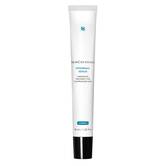
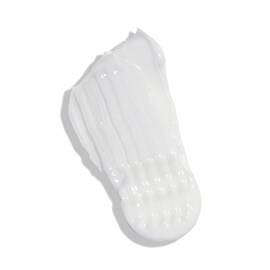

Epidermal Repair Soothing Cream
A deeply soothing, wound healing moisturiser formulated to protect and support compromised skin
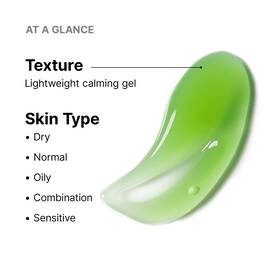
Phyto Corrective Hydrating Mask
A hydrating face mask to visibly reduce redness, calm, and soothe skin
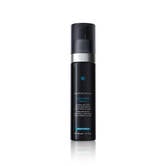

Advanced RGN-6 Skin Repair Cream
A rejuvenating light moisturiser that targets 6 signs of skin tone and ageing damage
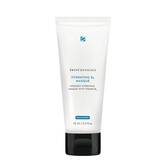
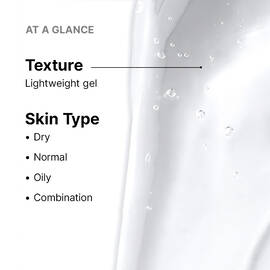
Hydrating B5 Hyaluronic Acid Facial Mask
Intensely hydrating gel mask formulated with hyaluronic acid and Vitamin B5 to restore moisture and nutrients in dehydrated, stressed skin