

Hyaluronic Acid For Skin

Hyaluronic Acid For Skin
A naturally occurring humectant, hyaluronic acid skin care is hydrating and has anti-ageing benefits. Discover how your skin type can benefit from this ingredient with our hyaluronic acid guide.
Hyaluronic
Ingredient Overview
• Hyaluronic acid (HA) is a naturally occurring humectant that can hold up to 1,000× its weight in water, boosting skin hydration, plumpness and elasticity.
• Regular topical HA improves moisture retention, smooths texture, reduces the appearance of fine lines and supports the skin’s moisture barrier.
• Suitable for all skin types—including sensitive and acne-prone skin—when used correctly; it helps balance oily/combination skin and relieve dryness.
• Common formats: serums, moisturisers, masks and hydrating mists; serums are typically applied twice daily (4–5 drops morning and night) to clean, damp skin, then sealed with a moisturiser.
• Pairs well with vitamin C, niacinamide, peptides, ceramides and exfoliating acids; with retinol, apply retinol first (on dry skin) then HA to reduce irritation.
• Generally safe and well tolerated; minor irritation can occur if misapplied—patch-test new formulations and choose gentle, fragrance-free products.

What is Hyaluronic Acid?
Hyaluronic acid is a carbohydrate molecule that is produced naturally by our bodies. Within skin, hyaluronic acid functions by binding water to collagen and retaining that moisture. Collagen forms the structure of the dermis, and hyaluronic acid supports it in maintaining skin plumpness and bounce. The skincare industry commonly uses hyaluronic acid for skin hydration, as the ingredient is especially effective at drawing in and retaining water content.
As a humectant, hyaluronic acid promotes the absorption and retention of moisture. Able to hold up to 1000 times its own weight in water, hyaluronic acid in skin care encourages optimal hydration levels and is suitable for all skin types.
Hyaluronic Acid Benefits
Products with Hyaluronic Acid
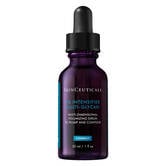
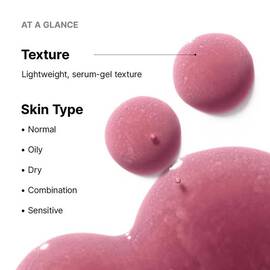
Hyaluronic Acid Intensifier Multi-Glycan
A Hyaluronic Acid Volumising and Plumping Serum.
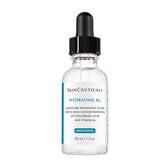

Hydrating B5 Serum
A hydrating, gentle hyaluronic acid gel serum that replenishes moisture and restores radiance


Retexturing Activator Exfoliating Serum
This oil-free serum is formulated to simultaneously exfoliate skin and replenish moisture for a smooth, radiant looking complexion.

Answers to your frequently asked questions about hyaluronic acid


