Article Overview
-
The journey of life invariably leaves its mark, and for our skin, this often manifests as the emergence of fine lines and wrinkles. While ageing is a major factor in wrinkles, intrinsic and extrinsic factors like sun exposure, pollution, smoking, and skincare practices (among other factors) play a role in more pronounced creases and premature ageing. Below, we’ll discuss the different types of wrinkles, go into more detail about their causes and discuss ways to visibly reduce them and minimise the risk of premature ageing.
What are wrinkles?

Wrinkles are natural lines, creases, or folds that form in the skin, typically as a result of ageing, repeated facial expressions, sun exposure, and other environmental factors. They occur when the skin loses elasticity because of a decrease in collagen production and skin cell turnover slows down, affecting the skin’s ability to “bounce back” and remain smooth and supple.
The main types of wrinkles are:
• Fine lines (or early onset wrinkles): Fine lines are the early onset of wrinkles, appearing as very small creases on the skin. They’re more superficial and easier to conceal or help visibly reduce, but dehydration and loss of elasticity can turn fine lines into more deep-set wrinkles.
• Dynamic wrinkles: Dynamic wrinkles are the deep wrinkles caused by repeated facial muscle movement. They will appear when muscles contract from smiling, frowning or squinting. Forehead (or frown) lines, crows feet and lines around the mouth are common dynamic wrinkles.
• Static wrinkles: These are permanent wrinkles that don’t go away even when your face is at rest. Dynamic wrinkles can often become static wrinkles with repeated contractions over time. Static wrinkles manifest as lines around the mouth, the neck and lines on the cheeks.
What causes fine lines and wrinkles?
Fine lines and wrinkles are an inevitable part of ageing, caused by a decline in collagen production, weakened muscle and facial volume loss. The age in which fine lines and wrinkles first appear varies from person to person, but often start to form as collagen production slows down after the age of 25. Other factors that contribute to the formation of wrinkles include:
Repeated muscle contractions
Repeated muscle contractions from facial expressions (smiling, frowning and squinting) eventually Repeated squinting from the sun can influence the appearance of fine lines, crows feet, forehead wrinkles and wrinkles on the cheeks.
Weight loss and facial volume loss
Losing facial volume, inevitable with age but also caused by rapid weight loss, causes the skin to sag, which can make wrinkles more pronounced.
Accumulated sun exposure
Sun exposure is a major contributor to wrinkle formation. UV rays penetrate deeper layers of the skin, affecting existing collagen fibres and collagen production that maintain the skin’s elasticity. This is why sunscreen is considered one of the most important anti-ageing skincare products.
Smoking
Cigarettes contain chemicals that affect collagen fibres and collagen and elastin production. Smoking can drastically affect the skin’s condition and accelerate skin ageing and the formation of wrinkles.
Pollution
Exposure to pollution generates free radicals on the skin's surface. These unstable molecules can affect collagen and elastin fibres, leading to a loss of skin elasticity and the formation of wrinkles.
Sleep position
Sleeping on your side or stomach, with your face against a pillow, can contribute to fine lines as pressure on the face can stretch the skin. These wrinkles are usually temporary, but over time can exacerbate static wrinkles.
Improper skincare
Improper skincare (including neglecting sunscreen) and using harsh products can contribute to fine lines formation by compromising the skin's natural defenses and renewal process. Neglecting adequate hydration can lead to dry, less plump skin, making existing lines more prominent and new ones more likely to form. Harsh and unsuitable products can also strip the skin of its moisture barrier, which can accelerate ageing.
Do genetics contribute to fine lines and wrinkles?
Genetics do play a role in the formation of fine lines and wrinkles, but they aren’t the sole cause. Some individuals are genetically predisposed to visible wrinkles at an early age, and genes may indicate where you’re likely to form more pronounced wrinkles, like the forehead, eye area or nasolabial folds. But genes don't necessarily have the final say on how your skin ages.
Can you get rid of fine lines and wrinkles?
Once they’re formed you can’t remove fine lines and wrinkles completely. Though it’s a natural part of skin ageing, some skincare practices, lifestyle changes and professional treatments can help to visibly reduce their appearance.
Skincare ingredients for fine lines and wrinkles
Retinol
Retinol, a derivative of Vitamin A, works by accelerating skin cell turnover and promoting the production of new collagen and elastin fibers. This helps reveal fresher, smoother skin, visibly reducing the appearance of fine lines and wrinkles over time and supporting a more youthful-looking complexion.
Humectants
Humectants, such as hyaluronic acid, glycerin, attract and retain moisture in the skin. By deeply hydrating the skin, these ingredients have a plumping effect, which in turn fills out fine lines and makes wrinkles appear less pronounced. Well-hydrated skin is also key to maintaining the skin’s condition.
Vitamin C
Vitamin C is a powerful antioxidant that protects the skin from harmful free radicals, which are generated by environmental aggressors like pollution and UV radiation. Beyond its protective role, vitamin C also supports collagen product, directly supporting the skin's structure and elasticity.
Peptides
Peptides are short chains of amino acids that act as signaling molecules in the skin. Different types of peptides can send messages to skin cells to perform specific functions, like promoting collagen and elastin production. These collagen peptides are often used in anti-ageing skincare to keep the skin supple and firm, visibly reducing wrinkles.
Exfoliants (BHAs, AHAs)
Exfoliants, including salicylic acid, glycolic acid and hydroxy-acid blends, can help support skin cell turnover by removing dead skin cells from the skin’s surface. This process can visibly reduce the appearance of fine lines and wrinkles.
Sunscreen
Using a high SPF, broad-spectrum sunscreen daily is essential for protecting against harmful UV radiation. By blocking harmful rays, sunscreen prevents further harmful effects on the skin, safeguarding it from worsening wrinkles and forming new ones.
ProXylane
Proxylane is a patented anti-ageing molecule. It boosts skin’s natural hydration and supports the extracellular matrix, increasing firmness and plumpness. Proxylane helps reinforce skin structure visibly reducng fine lines and wrinkles, promoting a smoother, more youthful complexion over time.
Lifestyle changes
Lifestyle factors can also play a role in visibly reducing wrinkles. Getting adequate sleep supports the skin’s overnight renewal process, and managing stress levels can prevent spikes in cortisol, a hormone that can trigger collagen breakdown. Quitting smoking is another lifestyle change that can have a significant impact on the skin’s appearance and condition.
Professional treatments
There are some professional treatments that can help visibly reduce fine lines and wrinkles by supporting collagen production and skin cell turnover. Laser therapies, and chemical peels are often used to smooth out fine lines and wrinkles and improve the skin’s texture. However, it’s important to consult with a qualified practitioner or dermatologist before considering these treatments.
How to prevent fine lines and wrinkles
You can’t prevent facial wrinkles completely, but there are some measures you can take to prevent premature ageing and visibly reduce the appearance of fine lines and wrinkles. These include:
Sun protection
The most important habit to prevent premature ageing is daily sun protection. Always finish your daily skincare routine with a high SPF, broad-spectrum sunscreen to protect against UV radiation that affects collagen production. Seeking shade, wearing protective clothing and sunglasses are also essential for protecting your skin.
Maintain a balanced lifestyle
Lifestyle choices can significantly impact the skin’s condition. Factors like hydration, sufficient sleep, managing stress levels and a balanced diet can all help to minimise the formation of wrinkles.
Antioxidants
Topical antioxidants, such as vitamin C, vitamin E, and ferulic acid, prevent wrinkles by neutralising free radicals, unstable molecules that cause oxidative stress that affects collagen and elastin. By neutralising these free radicals, antioxidants protect the skin’s structural integrity, ultimately slowing down the skin’s ageing process.
Anti-ageing skincare products
The same anti-ageing skincare ingredients that help visibly reduce wrinkles are also important in preventing their formation. Products containing ingredients like retinol, peptides and hyaluronic acid can minimise the formation of facial wrinkles by maintaining the skin’s collagen levels and keeping the skin hydrated. Consider serums formulated with higher concentrations of these active ingredients to keep the skin plump and supple.
Shop Featured Products
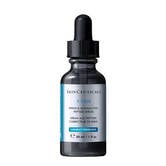
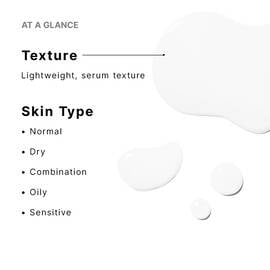


P-TIOX Peptide Serum
An advanced peptide anti-wrinkle serum designed to visibly reduce hard to treat wrinkles and fine lines
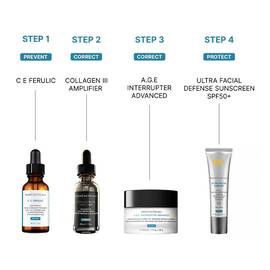
Collagen III Amplifier Multi Peptide Collagen Serum
A multi-peptide serum designed to revive collagen production and reverse visible signs of collagen loss including texture, firmness, and fine lines
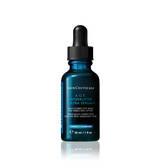

A.G.E. Interrupter Ultra Serum
A rapid hydration serum which visibly lifts skin, defines contours, and reduces effects of glycation
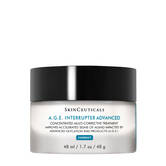
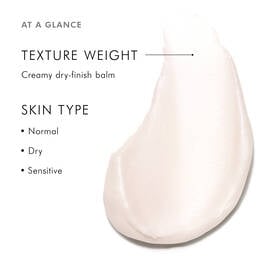
A.G.E Interrupter Advanced Anti-Wrinkle Cream
An advanced anti-wrinkle cream formulated to target glycation, visibly improve firmness and reduce fine lines