Article Overview
Hyperpigmentation, dullness, and uneven skin tone are some of the most common visible skin concerns – but the right active ingredient can make all the difference.
Kojic acid, while lesser known than some other brightening ingredients, can be used to block excess melanin production at the source and promote a more radiant-looking complexion.
In this guide, we’re investigating what kojic acid is, along with five key benefits for skin. Read on to find out how kojic acid minimises dark spots and hyperpigmentation and supports clearer, more even-toned skin.
What is kojic acid?
Kojic acid is a naturally occurring compound produced by certain fungi, extracted and synthesised for cosmetic use in serums, creams, and soaps.
Kojic acid is a powerful inhibitor of the enzyme tyrosinase, which is the catalyst for melanin synthesis in the skin1. This makes kojic acid an effective skin brightening agent that helps diminish the appearance of existing hyperpigmentation and prevent future discolouration.
5 kojic acid benefits for skin
There are several kojic acid benefits for skin: by suppressing the overproduction of melanin in the skin, it helps even skin tone and improve radiance.
Kojic acid is also an antioxidant2, so it can help neutralise free radicals caused by UV rays and environmental aggressors – which cause hyperpigmentation to form in the first place. Among these hyperpigmentation benefits, kojic acid also possesses antimicrobial and antifungal properties to help reduce breakouts.
Below, we’re exploring these key kojic acid benefits in depth, along with its compatibility with other brightening skincare ingredients and various skin types.
2https://pmc.ncbi.nlm.nih.gov/articles/PMC2705500/
1. Helps improve the appearance of visible hyperpigmentation
Melanin is the natural pigment that gives the skin its colour, but when the skin produces excess amounts and distributes it unevenly, this triggers hyperpigmentation like dark spots, age spots, melasma, and post-blemish marks.
However, since kojic acid blocks tyrosinase activity, this means the skin produces less melanin – stopping hyperpigmentation in its tracks. This makes kojic acid products especially effective in both the targeting and prevention stages of hyperpigmentation.
2. Brightens and evens skin tone
Kojic acid’s status as an antioxidant also makes it an asset in protecting the skin from environmental damage.
When the skin is exposed to high amounts of UVA and UVB rays, it triggers a process called oxidative stress – when free radicals outnumber antioxidants in the skin. Oxidative stress is one of the leading causes of dull skin and uneven skin tone. As well as acting as a melanin suppressor, kojic acid benefits skin by neutralising free radicals and combatting oxidative stress. This helps boost radiance and promotes more even-looking skin tone.
3. Supports blemish-prone skin
While primarily considered a star brightening ingredient, kojic acid can also be used to manage breakouts in blemish-prone skin.
Kojic acid has antimicrobial and antifungal properties, which foster an environment that is less ‘hospitable’ for blemish-causing bacteria. And, being an antioxidant, kojic acid also counteracts oxidative stress to reduce skin inflammation – which typically exacerbates blemishes. Kojic acid helps fade post-blemish hyperpigmentation, so you can also support blemish-prone skin during existing breakouts and while skin is recovering.
4. Well-tolerated by most skin types
Kojic acid is generally well-tolerated by oily, combination, and dry skin types – and a natural fit for blemish-prone skin.
However, it’s important to keep in mind that kojic acid can dry out the skin, so skin types with fewer natural lipids – like dry skin – will benefit from extra skin moisture barrier support alongside a kojic acid serum.
Sensitive skin types, which are less resilient, may find that kojic acid products are too potent and cause tightness, redness, or discomfort. If you have sensitive skin, be sure to patch test a kojic acid serum before continued use.
5. Complements other brightening ingredients
Pairing kojic acid alongside other brightening ingredients can offer many synergistic benefits for dull, uneven skin tone.
• Kojic acid and niacinamide: This duo is a melanin disruptor tour de force; kojic acid inhibits melanin production at the source, while niacinamide blocks the transfer of melanin to the skin surface. Niacinamide also reinforces the skin moisture barrier – which can help mitigate kojic acid’s potency.
• Kojic acid and vitamin C: These two ingredients work in tandem to enhance each other’s brightening effects. However, they are a powerful pair and may be better suited to more tolerant skin types.
How to apply kojic acid
Kojic acid can be applied daily, morning and night, though it’s important to take caution when layering with other active ingredients. We suggest a simplified kojic acid routine using the Discoloration Defense Dark Spot Corrector.
Formulated with 3% tranexamic acid, 1% kojic acid, 5% niacinamide, and 5% HEPES, the Discoloration Defense Dark Spot Corrector is designed to visibly reduce the appearance of hyperpigmentation.
Apply three to five drops morning and night onto clean, dry skin. In the morning, you can apply your vitamin C serum first, followed by your kojic acid serum. Be sure to always seal in hydration with moisturiser, then finish with a broad-spectrum sunscreen like Ultra Facial Defense Sunscreen SPF50 before sun exposure.
While kojic acid can be used to reduce breakouts, it’s more effective when bolstered by other blemish-fighting ingredients. Next, explore our comprehensive guide on how to tackle blemishes with the right skincare.
Shop Featured Products
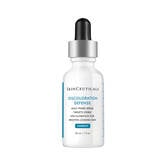
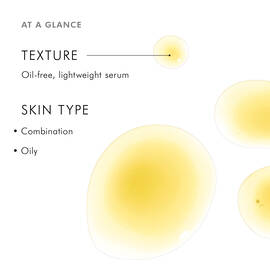

Discoloration Defense Dark Spot Corrector
Kojic acid and tranexamic acid serum targeting visible skin discolouration
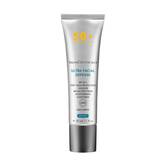
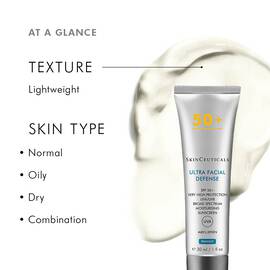
Ultra Facial Defense Sunscreen SPF50
SPF50+ broad spectrum facial sunscreen for very high-level protection against UVA/UVB rays
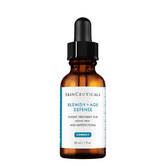
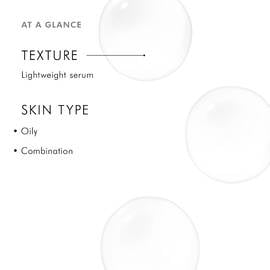
Blemish and Age Defense Salicylic Acid Serum
A dual-action corrective gel to reduce sebum production, minimising breakouts, whilst improving the appearance of fine lines and wrinkles
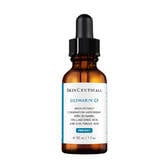
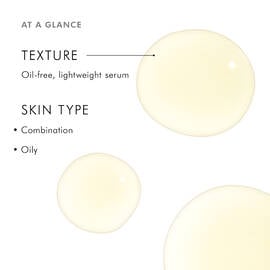
Silymarin CF Vitamin C Serum for Oily Skin
Vitamin C serum for oily skin and blemish-prone skin types


.jpg?sw=540&sh=420&sm=cut&q=70)