Article Overview
- Dark spots, are areas of skin that become darker than the surrounding skin, often due to excess pigment caused by sun exposure, hormonal changes, or skin injuries. They can appear on the face, hands, and other areas of the body, affecting people of all skin tones. Dark spots can be addressed with various methods, including certain skincare ingredients, lifestyle habits and some professional treatments.

What causes dark spots?
Dark spots can occur for a number of reason, and manifest in different shapes, sizes and darkness.
Prolonged UV exposure
The most prevalent cause of dark spots is prolonged and unprotected exposure to ultraviolet (UV) radiation from the sun. These types of dark spots are often called sunspots, age spots, or liver spots.
Skin irritation and blemishes
Dark spots can also develop as a result of irritation from breakouts, insect bites, cuts and other irritations on the skin. These marks can appear dark red or brown and can be difficult to remove.
Hormonal fluctuations
Hormonal imbalances, especially during pregnancy, can significantly contribute to the formation of dark spots. This type of discolouration is often called the “mask of pregnancy”. Medications, hormone replacement therapy and other hormone changes from menopause or puberty may also trigger irregular patches of discolouration.
Medical conditions and medications
As mentioned above, medications that affect hormones can contribute to dark patches and uneven skin tone. Certain medical conditions can also contribute to the formation of dark spots and hyperpigmentation.
Who is at risk of developing dark spots?
A few factors may increase your risk of developing dark spots, or hyperpigmentation:
- Anyone with prolonged or unprotected sun exposure is at risk of developing dark spots because of the sun’s effect on pigment cells.
- People prone to breakouts or with irritation-prone skin are also more susceptible to dark spots.
- Darker skin tones naturally have more pigment in their skin, making them more prone to developing dark spots when exposed to triggers.
- Hormonal fluctuations, such as those experienced during pregnancy (melasma) or due to certain medications, can also increase an individual's risk.
- A family history of dark spots or discolouration can also increase your risk.

What are the different types of dark spots?
Dark spots, or hyperpigmentation, can manifest in several forms, each with distinct causes and characteristics:
Sunspots (solar lentigines/age spots)
These are perhaps the most common type, appearing as flat, brown, or black spots, usually on sun-exposed areas like the face, hands, shoulders, and arms. They are directly caused by prolonged exposure to ultraviolet (UV) radiation, and is why using a high SPF, broad-spectrum sunscreen daily is an essential step in preventing discolouration.
Melasma
Often referred to as the "mask of pregnancy," melasma manifests as larger, irregular patches of brown or grayish-brown discoloration, typically on the face (cheeks, forehead, chin, upper lip). It is primarily linked to hormonal fluctuations, such as those during pregnancy, birth control pill use, or hormone replacement therapy, and is exacerbated by sun exposure.
Post-Inflammatory Hyperpigmentation (PIH)
This type of dark spot occurs after irritation or injury to the skin. It's a common aftermath of breakouts, skin conditions or other irritations. As the skin renews itself, it may trigger more pigment production, leading to flat spots that can range in color from pink to red, brown, or black, depending on the skin tone and severity.
Freckles (Ephelides)
These are small, flat, light brown, red, or tan spots that are genetic and typically appear in childhood, becoming more prominent with sun exposure. Unlike sunspots, freckles tend to fade in winter months.
What Professional Treatments get rid of dark spots?
If you’re considering professional treatments for dark spots, always consult with a qualified practitioner or dermatologist to ensure it’s appropriate for your skin needs. Common professional treatments that address dark spots are:

Chemical Peels: These treatments use acids to exfoliate the skin's top layers, promoting new cell growth and revealing brighter, more even-toned skin, thereby reducing dark spots.
Microdermabrasion: This technique uses a device to gently exfoliate the outermost layer of skin, removing pigmented cells and encouraging fresh skin regeneration to diminish dark spots.
Non-Ablative Laser: This laser targets pigment in the skin without removing the surface, breaking down dark spots which are then naturally cleared by the body.


BBL: BBL uses pulsed light to target and heat melanin in dark spots, causing them to break up and fade, leading to a more uniform complexion.
How to prevent dark spots on the face
Preventing dark spots on the face primarily revolves around diligent sun protection and maintaining the skin’s condition.
- Rigorous sun protection: Always use a broad-spectrum, high SPF sunscreen, even on cloudy days and indoors if near windows. Reapply every two hours, or more often if sweating or swimming. Additionally, seek shade during peak sun hours (10 AM to 4 PM), and wear wide-brimmed hats and sunglasses for extra protection.
- Manage irritations and breakouts: Effectively managing and preventing skin concerns like pimples can reduce the likelihood of PIH.
- Avoid picking or squeezing blemishes: Picking at or squeezing pimples can cause further irritation on the skin, increasing the risk of dark marks.
- Use gentle skincare products: Avoid harsh exfoliants or irritating ingredients that can compromise the skin moisture barrier.
- Incorporate antioxidants: Skincare products containing antioxidants like Vitamin C, Vitamin E, or ferulic acid can help neutralise free radicals generated by environmental aggressors.
Skincare ingredients to visibly fade dark spots
Several skincare ingredients have demonstrated efficacy in addressing discolouration and hyperpigmentation. Here are some of the most effective:
- Vitamin C (ascorbic acid and its derivatives): A powerful antioxidant, Vitamin C not only protects the skin from free radical damage that can worsen hyperpigmentation but also brightens the overall complexion and helps fade existing dark spots.
- Niacinamide (vitamin B3): This versatile ingredient works by targeting pigment-producing cells. It can also help visibly reduce redness and strengthen the skin moisture barrier to protect against environmental aggressors.
- Retinoids (retinol, retinal, tretinoin): These Vitamin A derivatives accelerate cell turnover, helping to shed skin cells more quickly and reveal fresh, even skin underneath. They also promote collagen production, improving overall skin texture and tone.
- Alpha hydroxy acids (glycolic acid, lactic acid): AHAs work by gently exfoliating the outermost layer of the skin, helping to remove dead skin cells. This promotes a more even skin tone and can make dark spots appear lighter over time.
- Kojic acid: Derived from various fungi, kojic acid is often used to prevent the production of pigment cells that contribute to uneven skin tone. It's often found in formulations designed specifically for brightening and spot correction.
- Tranexamic acid: This ingredient helps to visibly reduce redness and irritation that can lead to dark spots. It’s found in a number of skincare products formulated specifically for discolouration.
- Azelaic acid: Found in grains, azelaic acid is beneficial for blemishes, which can help reduce the formation of post-blemish marks.
Natural remedies for dark spots
While it's important to manage expectations regarding the efficacy of natural remedies, several natural ingredients are popularly believed to help visibly fade dark spots over time. Commonly cited remedies include;
- Lemon juice
- Aloe vera
- Apple cider vinegar
- Turmeric
- Green tea extract
Always perform a patch test before applying any of these remedies to your entire face to check for allergic reactions or irritation.
SkinCeuticals dark spot solutions
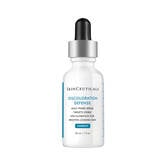
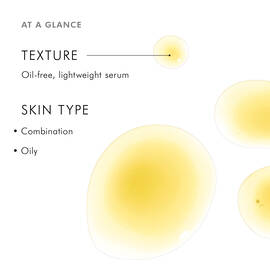

Discoloration Defense Dark Spot Corrector
Kojic acid and tranexamic acid serum targeting visible skin discolouration
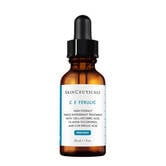
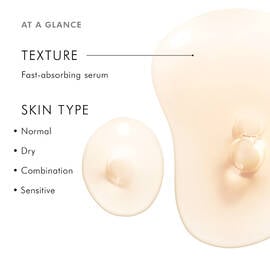
C E Ferulic Vitamin C Serum
A vitamin C serum for fine lines and wrinkles.
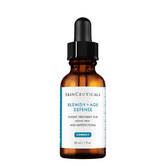
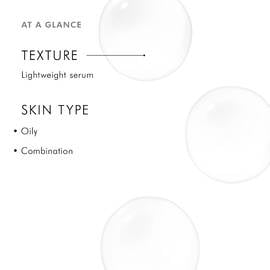
Blemish and Age Defense Salicylic Acid Serum
A dual-action corrective gel to reduce sebum production, minimising breakouts, whilst improving the appearance of fine lines and wrinkles