Article Overview
Polyhydroxy acids (PHAs) tend to be overlooked in favour of their more commonly known chemical exfoliant counterparts: beta hydroxy acids (BHAs) and alpha hydroxy acids (AHAs).
However, PHAs are beginning to garner more widespread attention in the skincare world, due to their specific molecular structure and how they interact with less tolerant skin types.
In this guide, we’ll be spotlighting what PHAs do for skin: including how this hydroxy acid differs from other chemical exfoliants, and which skin types can benefit most from PHA skincare products.
What are PHAs?
Polyhydroxy acids are a type of chemical exfoliant typically formulated in serums or facial exfoliators. PHAs were discovered in the 1970s, though they weren’t formulated for cosmetic use until the late 1990s1 and have only recently entered the universal skincare lexicon. The most common PHAs found in skincare are gluconolactone, lactobionic acid, and galactose.
What do PHAs do for skin?
Like other hydroxy acids, PHAs work by dissolving the dead skin cells on the outer layer of the skin, which helps encourage your natural skin cell turnover.
PHAs help refine and improve skin texture, minimise the appearance of pores, and brighten and even skin tone. PHAs exclusively exfoliate the surface layer of the epidermis without disturbing deeper, more delicate layers of the skin.
What's the difference between PHAs, AHAs, and BHAs?
The main difference between PHAs, AHAs, and BHAs is their molecular size and their ability to penetrate the skin:
• PHAs have the largest molecule size, which means they only provide surface exfoliation.
• AHAs range from medium to small molecular sizes but they can penetrate more deeply than PHAs.
• BHAs are oil-soluble and have small molecular sizes, enabling them to penetrate deep into the pores.
While the size of PHA molecules could be construed as a “negative” trait, this is actually where their superpower lies: gentle surface exfoliation means there is a much lower chance of sensitisation or discomfort.
What are the benefits of polyhydroxy acids?
PHAs possess the same inherent exfoliating benefits of other hydroxy acids – like stimulating skin cell renewal – but they offer several other skin advantages. PHAs:
• Penetrate the skin superficially, offering a gentle alternative to exfoliation that’s less likely to sensitise less tolerant skin types like dry and sensitive skin – or those with mature skin.
• Possess natural humectant properties so they can draw moisture directly into the skin, avoiding that dry, tight feeling often associated with hydroxy acids.
• Don’t make your skin photosensitive (unlike AHAs and BHAs), which makes them more tolerable overall and suitable for morning application.
• Help combat glycation – a process that impedes collagen production and that can lead to fine lines and changes in skin laxity.
• Have antioxidant properties, meaning they can help neutralise the free radicals that lead to skin cell deterioration.
Can you use PHAs with other skincare ingredients?
Yes, PHAs can be used with other skincare ingredients. Like their fellow hydroxy acids, PHAs help improve the absorption of other skincare products – and their gentle nature makes them compatible with many other skincare ingredients.
With natural humectant properties, PHAs pair very well with known hydrators hyaluronic acid, glycerin, and niacinamide. PHAs offer gentle exfoliation, while the latter ingredients provide skin moisture barrier support to ensure skin stays resilient, supple, and hydrated.
Care should be taken if using PHAs and vitamin C, however, since there is a chance of sensitisation in less tolerant skin types. We suggest spacing out your usage and avoiding applying them on the same day. If you already have sensitive skin, it’s best to avoid layering multiple acids – and, perhaps, steer clear of potent ingredients like retinol altogether.
How to use PHA skincare products
You’ll find that PHA skincare is generally formulated as cleansers or serums – such as SkinCeuticals’s P-TIOX Peptide Serum. This anti-wrinkle serum is formulated with a blend of peptides and 5% PHA to support the skin’s natural renewal cycle and visibly improve skin texture. This serum is suitable for all skin types – including sensitive – and can be applied twice daily. Simply follow these skincare steps:
1. Cleanse your skin with your dedicated facial cleanser.
2. Once the skin is dry, apply five to six drops of the P-TIOX Peptide Serum onto your palms and dab it onto your forehead, cheeks, and chin.
3. Follow with a moisturiser for your skin type to seal in hydration.
4. If it’s the morning, be sure to finish your routine with a broad-spectrum sunscreen, like our Ultra Facial Defense Sunscreen SPF50.
If you’d like to learn more about other exfoliating products outside of PHA skincare, explore our guide to chemical vs physical exfoliation – and the differences – next.
1https://pubmed.ncbi.nlm.nih.gov/15002656/.
Shop Featured Products
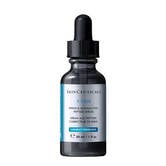
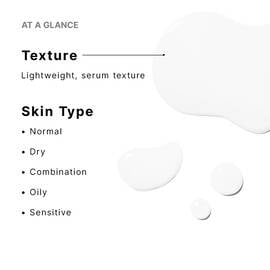


P-TIOX Peptide Serum
An advanced peptide anti-wrinkle serum designed to visibly reduce hard to treat wrinkles and fine lines
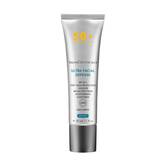
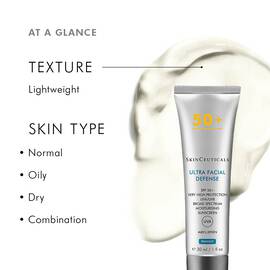
Ultra Facial Defense Sunscreen SPF50
SPF50+ broad spectrum facial sunscreen for very high-level protection against UVA/UVB rays
Blemish and Age Cleansing Gel
Exfoliating cleanser with lipo-hydroxy acid (LHA) that foams to decongest skin and improve clarity

Hydrating B5 Serum
A hydrating, gentle hyaluronic acid gel serum that replenishes moisture and restores radiance