Article Overview
- As a powerful humectant, hyaluronic acid is able to draw water into the epidermis – your skin’s outermost layer – to support your skin’s ability to retain essential moisture and keep out harmful external stressors.
- Understanding when and how to use hyaluronic acid within a daily skincare routine is central to achieving optimal hydration and visibly smoother texture.
- While suitable for a wide range of skin types, it’s still important to tailor a hyaluronic acid skincare routine to your individual needs. Read on to explore our expert tips on when and how to apply hyaluronic acid in your skincare routine.
HOW TO APPLY HYALURONIC ACID FOR YOUR SKIN TYPE
Depending on your skin type and concerns, hyaluronic acid may appear in multiple skincare steps or within a single targeted formula. One of the many benefits of this nurturing and highly compatible ingredient is that there is no limit to how much hyaluronic acid you can use – so the ingredient can be tailored to fit your skincare routine.
- For sensitive skin types, hyaluronic acid can comfort and support the skin moisture barrier. Sensitive skin types are more susceptible to trans-epidermal water loss, which can exacerbate visible redness in skin. However, using hyaluronic acid for this skin type helps reinforce the skin moisture barrier and prevent moisture loss.
- For dry skin types, hyaluronic acid helps to address dullness, rough-textured skin and visible dryness. You might find it beneficial to use a targeted serum, along with a hyaluronic acid-infused cleanser and moisturiser.
- For oily skin types, hyaluronic acid can help maintain balance without contributing to excess sebum production. A non-comedogenic, hyaluronic acid-enriched moisturiser can help support skin hydration without feeling heavy on the skin.
- For combination skin types, hyaluronic acid can provide hydration to drier regions without exacerbating an oily T-zone.
- For normal skin types, hyaluronic acid helps preserve hydration and support the function of the skin moisture barrier.
COMMON PITFALLS TO AVOID
To maximise the benefits of a hyaluronic acid skincare routine, correct application is essential. Below are common hyaluronic acid mistakes to avoid.
- Applying to dry skin: As the hyaluronic acid molecule requires external water to bind effectively to the skin, applying to dry skin may draw water out of the epidermis, increasing trans-epidermal water loss. Instead, apply hyaluronic acid when the skin is slightly damp.
- Waiting for serum to dry before applying moisturiser: This might actually leave your skin feeling drier. Hyaluronic acid performs best when hydration is sealed with an emollient or occlusive layer shortly after application.
- Applying serums in the wrong order: This can compromise product absorption, so when you’re layering serums, the ideal skincare routine order is most active to least active. This assists in optimal penetration and sustained efficacy.
WHEN TO USE HYALURONIC ACID
A hyaluronic acid serum is traditionally applied as the final serum step before moisturiser. You can integrate a hyaluronic acid serum in both your morning and evening skincare routines
If you are using potent ingredients in your skincare regime like retinol creams or exfoliants, following with your hyaluronic acid formula helps ensure balanced moisture while allowing active ingredients to remain effective.
WHAT TO PAIR WITH HYALURONIC ACID
Understanding how to use hyaluronic acid effectively includes knowing which ingredients are going to complement its benefits. Strategic ingredient pairings help maintain hydration while enhancing the look and feel of your skin.
- Hyaluronic acid and vitamin C: As a powerful antioxidant, vitamin C and hyaluronic acid are an effective combination for hydrating and brightening the complexion.
- Hyaluronic acid and niacinamide: Both ingredients work together to support hydration while reinforcing the skin's moisture barrier, contributing to improved skin firmness and resilience.
- Hyaluronic acid and retinol: Hyaluronic acid helps mitigate the dryness or sensitivity often associated with retinol, allowing sustained usage of this potent ingredient.
- Hyaluronic acid and other hydrators: Hydration-enhancing ingredients such as glycerine, vitamin B5, and ceramides can provide ultra-hydrating, complementary benefits while supporting optimal skin comfort.
HOW TO USE HYALURONIC ACID: WHICH SERUM IS RIGHT FOR YOU?

Thanks to its many applications, hyaluronic acid features across a wide range of skincare formulas. This means that the ingredient can usually be added to whichever skincare step works best for you and your routine.
Understanding how to use hyaluronic acid correctly means it can promote hydration while supporting skin prone to dryness, ageing, blemishes and fine lines.
FOR OVERALL HYDRATION: HYDRATING B5 SERUM
If you’re unsure when to use hyaluronic acid, a simple way to add the ingredient is via a hydrating serum. Serums are designed to be layered, and the inclusion of a hyaluronic acid-based formulation can provide essential hydration while supporting overall skin comfort.
The Hydrating B5 Serum combines hyaluronic acid with vitamin B5 to assist moisture retention and fortify the skin moisture barrier, making it suitable for daily integration morning and night. You can even follow with the Hydrating B5 Hyaluronic Acid Facial Mask to deepen hydration and enhance moisture delivery.

FOR VISIBLE AGEING CONCERNS: HYALURONIC ACID INTENSIFIER MULTI-GLYCAN
For visible signs of ageing, understanding how to use hyaluronic acid within a routine can support skin hydration, plump and soften skin, and reduce the appearance of fine lines.
Combining hyaluronic acid with proxylane and a biotic ferment, the Hyaluronic Acid Intensifier Multi-Glycan is designed to amplify the skin’s hyaluronic acid levels by up to 30%. When applied consistently, this glycan-stimulating serum can help boost hydration, firmness, and plumpness.
FOR SENSITIVE SKIN: PHYTO CORRECTIVE GEL
If you have sensitive skin, it’s essential to consider when to use hyaluronic acid within a routine to ensure optimal tolerance and hydration. Our Phyto Corrective Gel serum blends botanical extracts – cucumber, olive, thyme, mulberry, and eucalyptus – with hyaluronic acid to deliver comforting benefits.
This serum is well-suited to sensitive or blemish-prone skin susceptible to redness, providing lasting hydration while supporting skin moisture barrier integrity. For enhanced results, follow with Phyto Corrective Essence Mist, which can be reapplied throughout the day.
FOR TONE AND TEXTURE: RETEXTURIZING ACTIVATOR
Natural exfoliation is essential to all skin types. By removing dead skin cells from the surface layer of skin, you can help to keep pores clear, maintain a soft and uniform skin texture, and promote radiance.
The Retexturizing Activator is an oil-free serum that promotes gentle exfoliation and replenishes hydration, supporting a brighter, more refined skin surface. By optimising the skin’s amino acid supply, this formula reinforces the skin moisture barrier to sustain comfort and resilience.
Balanced routines combine hydration with antioxidant protection. You’ve learnt when to use hyaluronic acid – now discover the types of vitamin C that can complement your routine.
Shop Featured Products
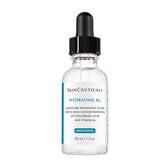

Hydrating B5 Serum
A hydrating, gentle hyaluronic acid gel serum that replenishes moisture and restores radiance


Retexturing Activator Exfoliating Serum
This oil-free serum is formulated to simultaneously exfoliate skin and replenish moisture for a smooth, radiant looking complexion.