Article Overview
- Glycolic acid stands as one of skincare's most effective alpha hydroxy acids (AHAs), derived from sugar cane. This powerful exfoliant removes dead skin cells, improves skin texture, and addresses multiple skin concerns including hyperpigmentation, fine lines, and acne. With a molecular size smaller than other AHAs, glycolic acid penetrates the skin more effectively, making it a cornerstone ingredient in professional and at-home skincare routines. Users frequently ask about combining glycolic acid with other active ingredients, timing applications, and maximising results while minimising irritation.
How Do You Use Glycolic Acid Correctly?
Starting with Glycolic Acid
Patch testing remains essential before introducing glycolic acid. Apply a small amount to your inner forearm, wait 24-48 hours, and check for adverse reactions.
Begin with low concentrations (5-10%) and infrequent application (once weekly). Products with glycolic acid provide gentle introduction to exfoliating benefits.
Application Steps
- Cleanse skin thoroughly with a gentle cleanser
- Apply to completely dry skin - wet skin increases penetration and irritation risk
- Use thin, even layers avoiding the eye area
- Wait 10-15 minutes before applying subsequent products
- Follow with moisturizer to maintain skin moisture barrier function
Frequency Guidelines
Can you use glycolic acid every day? Most users can build up to daily use over 4-6 weeks. Start with:
- Week 1-2: Once weekly
- Week 3-4: Twice weekly
- Week 5-6: Every other day
- Week 7+: Daily (if tolerated)
Glycolic acid products should follow this gradual introduction protocol to prevent over-exfoliation.
Routine Order
Evening application works best as glycolic acid increases photosensitivity. Apply glycolic acid after cleansing but before:
- Hydrating serums
- Moisturizers
- Face oils
Morning routine should always include SPF 30+ sunscreen when using glycolic acid.

Body Application
Glycolic acid for keratosis pilaris requires different application:
- Use 10–12% concentration products: Like Glycolic 10
- Application: Apply to dry skin 2–3 times weekly
- Target areas: Focus on affected areas (upper arms, thighs)
- Aftercare: Follow with a rich body moisturizer
How long does glycolic acid take to work?
Visible improvements typically appear:
- 2–4 weeks: Smoother skin texture
- 4–8 weeks: Reduced hyperpigmentation
- 8–12 weeks: Fine line improvement
Can I use Glycolic Acid With Vitamin C?
Yes, but you should not apply them at the same time. According to the article, the best practice is to use vitamin C in the morning to provide antioxidant protection and apply glycolic acid at night. This separation helps maintain the optimal pH for each ingredient and reduces the risk of skin irritation.
Can I use Glycolic Acid and Niacinamide?
Yes, you can use glycolic acid and niacinamide in the same skincare routine, but it is often best to apply them at different times, similar to glycolic and retinol to reduce the chance of irritation. For instance, you can use glycolic acid at night and niacinamide in the morning. If using them in the same routine, apply the glycolic acid first, wait a few minutes for it to absorb, and then apply the niacinamide.
Can I use Glycolic Acid and Hyaluronic Acid?
Yes, the two are an excellent combination. Hyaluronic acid provides fast hydration, improved comfort, and plumper look while glycolic renews surface. Apply glycolic acid first → follow with Hydrating B5 or H.A. Intensifier. Yes, the two are an excellent combination. Hyaluronic acid provides fast hydration, improved comfort, and plumper look while glycolic renews surface. Apply glycolic acid first → follow with Hydrating B5 or H.A. Intensifier.
Can I use Glycolic Acid and Salicylic Acid
Yes, but this should be done with caution. Both glycolic acid (an AHA) and salicylic acid (a BHA) are potent chemical exfoliants. Using them together significantly increases the risk of over-exfoliation, which can lead to irritation, redness, and a damaged skin barrier.
A safer approach for most people is to alternate them on different nights rather than layering them in the same routine. Chemical peels with AHAs/BHAs improve acne, but excessive combined use increases irritation risk.
Best SkinCeuticals Glycolic Acid Products
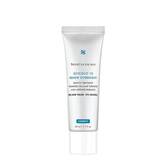
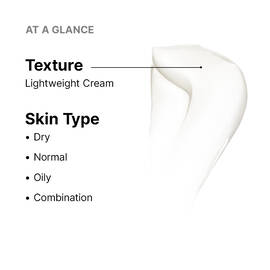
Glycolic 10 Renew Overnight Cream
An overnight cream with 10% glycolic acid to promote cell turnover, improving skin texture, tone, and brightness
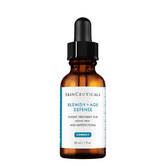
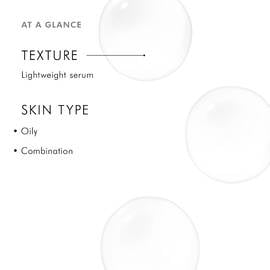
Blemish and Age Defense Salicylic Acid Serum
A dual-action corrective gel to reduce sebum production, minimising breakouts, whilst improving the appearance of fine lines and wrinkles
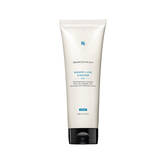
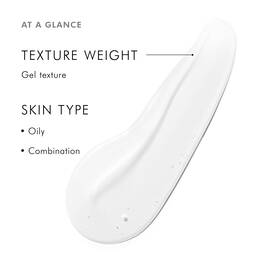
Blemish and Age Cleansing Gel
Exfoliating cleanser with lipo-hydroxy acid (LHA) that foams to decongest skin and improve clarity
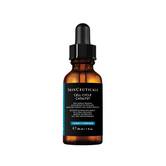
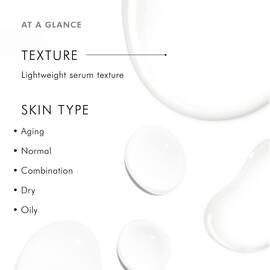

Cell Cycle Catalyst Anti-Ageing Serum
A potent skin renewal serum that gently exfoliates to smooth texture and improve the appearance of discolouration and visible lines