Facial volume loss refers to a change in the skin’s fullness and elasticity that causes the face to appear more hollowed out and contributes to the development of fine lines and wrinkles. One of the primary culprits behind facial volume loss is ageing, meaning it is a natural process, but some factors like exposure to environmental aggressors, certain lifestyle choices and genetics, can also contribute to facial volume loss. In this article, we’ll discuss facial volume loss in more detail, what causes it, and you can manage it through skincare and lifestyle choices.
HOW AGEING AFFECTS VOLUME LOSS
Younger skin produces certain levels of hyaluronic acid (HA) and proteins, specifically, in the context of the skin, collagen and elastin. Hyaluronic acid is responsible for the skin’s plumpness, while collagen and elastin are responsible for the skin’s plumpness and elasticity. Over time, the production of hyaluronic acid starts to decline, and the cell renewal process that promotes collagen and elastin production slows down. This impacts the overall appearance of the face, with the main changes being lost facial volume, more pronounced wrinkles and fine lines, hollowed-out cheeks, and sagging skin.
WHAT CAUSES FACIAL VOLUME LOSS?
Ageing is the main culprit of the loss of the skin’s fullness and laxity, but factors like our genes, weight loss, sun exposure and lifestyle factors can also lead to premature volume loss.
Genetics
While everyone will inevitably experience a loss of facial volume, some people are more likely to experience facial volume loss than others due to their genes. Skin types, like dry skin, may be more prone to the appearance of ageing skin and loss of moisture. Your face shape may also play a role in facial volume loss being more noticeable.
Weight loss
You might find that when you lose weight you also lose weight in your face. Weight loss, especially rapid loss, can contribute to facial fullness and cause excess skin to sag.
Smoking
The effects of smoking have a major impact on the skin’s overall condition, including its elastin and collagen production.
Sun exposure
Excessive sun exposure can lead to premature ageing by impacting the skin moisture barrier as well deeper layers of the skin.
Environmental aggressors
UV rays are just one type of environmental aggressor, but there are a lot of other external factors that can contribute to premature ageing, including dry air and air pollution.
WHAT ARE THE SIGNS OF FACIAL VOLUME LOSS IN SKIN?
Facial volume loss can appear as:
- Hollowed cheeks: The cheeks are one of the major areas of the face that lose facial volume, resulting in a more sunken or hollow appearance.
- Deep wrinkles and folds: Volume loss causes skin to loosen and sag, resulting in the formation of deep wrinkles and folds.
- Jowls: Loose, sagging skin also begins to appear at the jawline, commonly known as jowls.
- Double chin: A double chin can be a result of weight gain but also as a result of fat buildup as a result of facial volume loss.
CAN FACIAL VOLUME LOSS BE PREVENTED?
Facial volume loss is a natural and normal part of ageing and can’t be halted altogether. There are, however, some steps you can take to prevent premature skin ageing and restore some lost volume in the face.
Protect from the sun
UV radiation is a major factor in premature ageing as it can impact the skin’s collagen and elastin production. Sun damage can also exacerbate dark spots and uneven skin tone as a result of the ageing process. Always include sunscreen in your daily skincare regime, in addition to wearing sunglasses and a hat when you’re outdoors.
Get enough sleep
Your skin undergoes its restore and renewal process as you sleep, which is why getting enough sleep is essential to promoting collagen and elastin production. Aim for 7-8 hours of sleep a night to support the natural skin renewal process.
Nourish your skin
Hydrated skin helps to maintain volume and elasticity, as well as maintain the skin’s moisture barrier to protect from environmental aggressors. Moisturise your skin both morning and night to keep your skin nourished. Water intake also contributes to the skin's overall hydration, so ensure you drink plenty of water every day.
SKINCARE INGREDIENTS FOR RESTORING FACIAL VOLUME LOSS
There are skincare ingredients that can help restore lost volume and promote collagen to maintain skin laxity. Look for anti-ageing skincare products containing hyaluronic acid, retinol, and peptides.

Hyaluronic acid
A naturally occuring substance in the body, the production of the humectant hyaluronic acid declines as we age. Including it in your skincare can help to attract and retain moisture that can restore facial volume and visibly reduce sagging skin.
Deeply nourish your skin with the HA Intensifier Hyaluronic Acid Serum.

Retinol
Retinol is a popular skincare ingredient for visible signs of ageing. The vitamin A derivative supports the skin cell turnover process, which in turn helps to promote collagen and elastin production for improved skin elasticity and a more youthful appearance.
Introduce retinol into your routine with the Retinol 0.3 Anti-Ageing Night Cream.

Peptides
Peptides are the building blocks of collagen and elastin in the skin. Skincare containing peptides helps to strengthen the skin moisture barrier and reduce the appearance of wrinkles and fine lines.
Promote a more youthful appearance with the Metacell Renewal Skin Tightening Cream.
Remember, facial volume loss is a natural process and while skincare can help to achieve fuller, plumper skin, it cannot halt or prevent it altogether. But with the right skincare regime and healthy lifestyle choices you can visibly reduce premature ageing that can lead to more pronounced facial volume loss.
Shop Featured Products
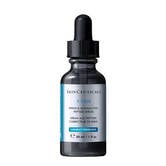
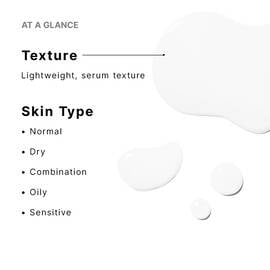


P-TIOX Peptide Serum
An advanced peptide anti-wrinkle serum designed to visibly reduce hard to treat wrinkles and fine lines
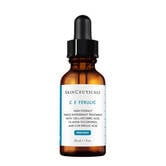
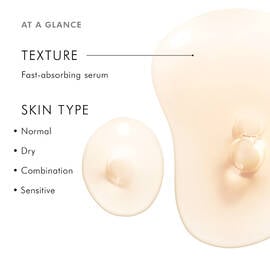
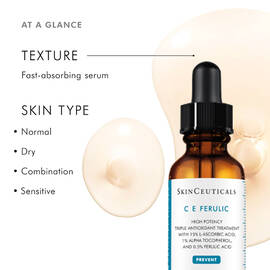
C E Ferulic Vitamin C Serum
A vitamin C serum for fine lines and wrinkles.
SAVE 20%
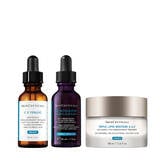
Best Seller Discovery Set
Our best selling anti-ageing favourites