Article Overview
- Achieve a flawless, glass skin complexion through strategic hydration, barrier repair, and professional treatments. This guide explores essential ingredients, tailored routines, in-office procedures like chemical peels, and advanced skincare to maintain a luminous, even-toned, and poreless appearance.
What are the best products for glass skin?
To build a glass skin regimen, you need products formulated to deliver intense hydration, enhance desquamation (cell turnover), and neutralise free radicals. The most effective skin care products for glass skin contain high concentrations of humectants, antioxidants, barrier-fortifying lipids, and wrinkle-modulating peptides.
1. Peptide serums for glass skin radiance: Advanced peptide formulations can visibly smooth the skin's surface. P-TIOX is a powerful wrinkle-modulating peptide serum inspired by the effects of neurotoxin injectables. It is physician-tested to reduce the appearance of 9 types of expression lines and improve overall skin radiance, making it an essential glass skin serum.
2. Hydrating serum for glass skin: Look for serums containing pure hyaluronic acid. According to the Journal of Clinical and Aesthetic Dermatology (https://www.ncbi.nlm.nih.gov/pmc/articles/PMC3970829/), topically applied hyaluronic acid can increase skin hydration by up to 55%. The SkinCeuticals H.A. Intensifier is a multi-beneficial corrective serum proven to amplify the skin’s hyaluronic acid levels by 30%.
3. Antioxidant serums (Vitamin C): A vitamin C glass skin approach is essential for brightening and inhibiting melanin production. Formulations like C E Ferulic contain 15% L-ascorbic acid to visibly reduce pigmentation, protect against environmental damage, and stimulate collagen synthesis.
4. Targeted correctors (Niacinamide): Utilising niacinamide glass skin products at a 5% concentration effectively reduces transepidermal water loss (TEWL) by up to 24% while evening out skin tone. Metacell Renewal B3 utilises a lightweight aqueous emulsion to deliver 5% niacinamide to clarify and refine pores.
5. Plumping cream for glass skin: Seal in moisture with moisturisers containing ceramides and cholesterol to repair the stratum corneum, ensuring a smooth, reflective surface.
What are the best professional treatments for glass skin?
While at-home skincare products are foundational, professional treatments offer dramatic, long-lasting results by targeting structural skin concerns like deep wrinkles, hyperpigmentation, and textual irregularities.
- Neurotoxin Injectables: Injectables such as Botox® and Dysport® temporarily relax the underlying muscles that cause expression lines. This smooths out the skin’s surface, contributing heavily to the poreless, crease-free glass skin effect. You can complement these in-office results across all facial areas by applying P-TIOX daily to further improve skin surface quality and prolong radiance.
- Chemical Peels: Clinical chemical peels utilise high-strength acid solutions to accelerate cellular turnover, causing the damaged top layer of skin to peel away. This process drastically improves skin texture, fades dark spots, and reduces the appearance of fine lines.
- HydraFacial®: A HydraFacial® is a non-invasive treatment combining cleansing, exfoliation, extraction, and intense hydration. It physically clears congested pores while infusing the epidermis with plumping serums, instantly delivering a clear, glass-like glow.
To discover the best glass skin treatment for your unique facial anatomy, utilise the SkinCeuticals Routine Finder online or schedule an appointment with a SkinCeuticals Skincare Professional for a one-on-one consultation.
What is the meaning of glass skin?
The glass skin beauty trend refers to an exceptionally smooth, even-toned, and lustrous complexion that is so flawless it mimics the reflective appearance of clear glass. Coined in South Korea, achieving a glass complexion requires optimising both skin texture (poreless, smooth, free of bumps) and skin tone (luminous, glowing, intensely hydrated). Unlike temporary makeup highlighting, a true skin like glass appearance relies on supreme structural hydration and a healthy, intact lipid barrier.
How do you get glass skin?
Achieving the glass skin look requires a consistent, highly structured glass skin daily routine. While heavily advertised "glass skin in 7 days" protocols can improve surface hydration fast, physiological skin cell turnover takes roughly 28 days.
Step 1: Double cleanse (Evening) Remove makeup and excess sebum with an oil-based cleanser, followed by a gentle, exfoliating gel like the Blemish and Age Cleansing Gel to deeply clean pores without disrupting the pH level.
Step 2: Chemical exfoliation (2-3 times weekly) Use alpha-hydroxy acids (AHAs) or beta-hydroxy acids (BHAs) to dissolve dead skin cells, promoting a smooth, reflective surface.
Step 3: Target expression lines and hydrate Apply a targeted serum like P-TIOX to smooth expression lines, followed by a pure hydration layer such as Hydrating B5 Serum to saturate the epidermis.
Step 4: Layer antioxidant serums (Morning) Apply a vitamin C serum like C E Ferulic in the morning for environmental protection and to visibly brighten the complexion.
Step 5: Seal with a moisturiser Lock in the hydration with an emollient-rich glass skin moisturiser suited to your skin type.
Step 6: UV protection (Morning) Apply a broad-spectrum sunscreen, such as Ultra Facial Defense SPF 50+. Daily UV protection prevents collagen degradation, which is vital for maintaining a bouncy, poreless texture.
SkinCeuticals Glass Skin Routine
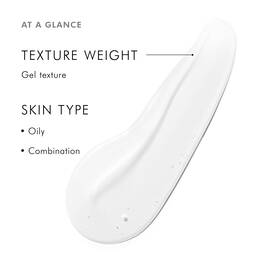
Blemish and Age Cleansing Gel
Exfoliating cleanser with lipo-hydroxy acid (LHA) that foams to decongest skin and improve clarity
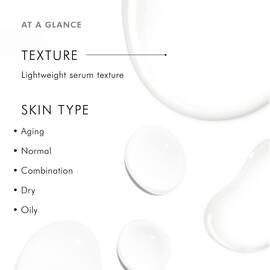

Cell Cycle Catalyst Anti-Ageing Serum
A potent skin renewal serum that gently exfoliates to smooth texture and improve the appearance of discolouration and visible lines
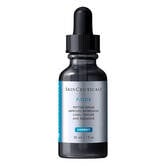
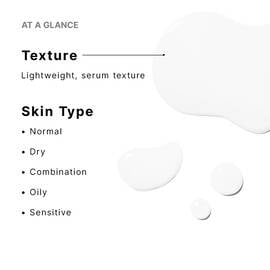

P-TIOX Peptide Serum
An advanced peptide anti-wrinkle serum designed to visibly reduce hard to treat wrinkles and fine lines
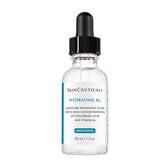

Hydrating B5 Serum
A hydrating, gentle hyaluronic acid gel serum that replenishes moisture and restores radiance
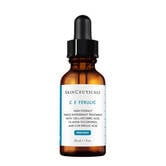
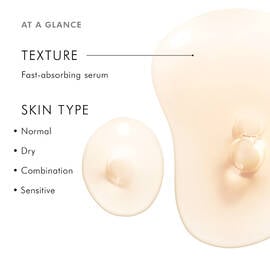
C E Ferulic Vitamin C Serum
A vitamin C serum for fine lines and wrinkles.
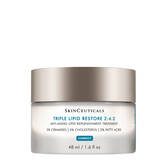
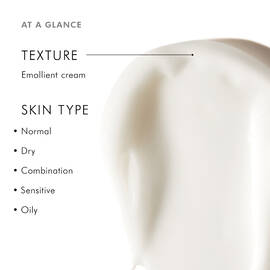
Triple Lipid Restore 242 Anti-Ageing Moisturiser
An anti-ageing cream formulated with lipids to reduce visible signs of ageing
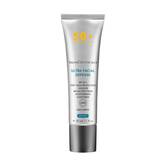
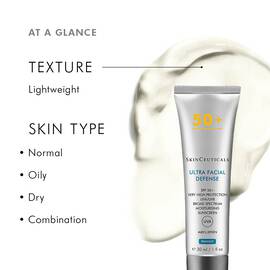
Ultra Facial Defense Sunscreen SPF50
SPF50+ broad spectrum facial sunscreen for very high-level protection against UVA/UVB rays
How to get glass skin for specific skin types?
The path to a flawless complexion varies based on your physiological baseline.
- Glass skin for mature skin: A routine for women in their 40s should prioritise collagen-boosting ingredients. Pair P-TIOX to modulate wrinkles with deeply moisturising lipid-rich creams. Triple Lipid Restore 2:4:2 contains the optimal cholesterol-dominant ratio of ceramides, cholesterol, and fatty acids to restore density and barrier function in ageing skin.
- Glass skin routine for dry skin: Focus on heavy moisturisation. Layer multiple humectant serums and seal with occlusive balms. Avoid foaming cleansers that can exacerbate flaking.
- Glass skin routine for combination skin & oily skin: Oily profiles need lightweight, non-comedogenic hydration. Niacinamide is particularly beneficial here, as it can reduce sebum excretion rates by up to 20% over 4 weeks (https://pubmed.ncbi.nlm.nih.gov/16766489/). A targeted serum like Blemish + Age Defense, featuring 1.5% salicylic acid, can regulate excess oil production while maintaining a clear, refined texture.
- Glass skin for sensitive skin: Barrier protection is paramount. Eliminate harsh physical exfoliants and high-strength acids. Instead, utilise soothing botanical extracts like those found in Phyto Corrective Gel to visibly reduce redness and build tolerance.
What is the Korean glass skin routine?
The glass skin Korean beauty routine is a methodical approach to skincare that prioritises deep hydration and barrier health over the western approach of covering up blemishes with cosmetics. The core philosophy of Korean glass skin involves layering multiple lightweight, water-based products to achieve maximum moisture saturation. Traditional Korean glass skin routine steps often feature 10 or more stages, heavily emphasising the use of essences, ampoules, and sheet masks to cultivate a translucent, lit-from-within glow naturally at home.
How to do glass skin makeup?
To fake or enhance a dewy, translucent finish, you must focus on luminous skin prep rather than heavy coverage.
Step 1: Intense skin prep Begin by applying a rich layer of hyaluronic acid, such as Hydrating B5 Serum, and a radiant face gloss or illuminating glass skin primer. Your skin should feel highly moisturised, bordering on damp.
Step 2: Choose the right foundation Opt for sheer, liquid, or serum-based glass skin foundation formulas. Avoid full-coverage matte formulas, which flatten the face and hide natural luminosity.
Step 3: Strategic concealing Only apply concealer to areas that genuinely require it (such as under-eye circles or specific blemishes) to maintain the overall "no makeup" glass makeup look.
Step 4: Avoid heavy powder Powder destroys the reflective illusion. If you have an oily T-zone, lightly dust a micro-fine translucent powder strictly on the sides of the nose and the chin, leaving the cheekbones, forehead, and bridge of the nose completely bare to catch the light.