Article Overview
• Vitamin C should be applied before Hyaluronic Acid; both can be safely combined in one routine
• Avoid combining Vitamin C with Retinol — use Vitamin C in the morning and Retinol at night
• Alternating AHA/BHA exfoliants and Retinol across days or AM/PM routines minimises irritation and maximises results
How do you layer face serums?
Layering serums and ingredients follows one foundational rule: apply products from thinnest to thickest consistency. This serum order ensures each active ingredient absorbs fully before the next layer is applied, preventing pilling and maximising efficacy.
Step-by-step — how to apply serums to face:
1. Cleanse and tone
2. Apply face serum the thinnest, water-based serum first (e.g. antioxidant serum)
3. Follow with progressively thicker, corrective or moisturising serums
4. Seal with moisturiser, then SPF (AM only)
Yes — you can layer serums, and doing so allows you to address multiple skin concerns simultaneously: hyperpigmentation, dehydration, fine lines, and acne. The order of serums matters because each active requires direct contact with the skin to function at peak potency.
When layering serums, allow 30–60 seconds between each application so each product absorbs before the next is applied. How to layer skin care products effectively comes down to understanding both texture hierarchy and ingredient compatibility.
Can you use Vitamin C with Hyaluronic Acid?
Yes — these two ingredients are highly compatible. Vitamin C corrects and protects while Hyaluronic Acid hydrates and seals. The vitamin C serum before or after hyaluronic acid question is resolved simply by texture: the thinner, lower-pH formula always goes on first. Together, they form a powerful brightening and hydrating duo suitable for daily use.
Should you use Vitamin C or Hyaluronic Acid first?
Vitamin C goes first. As an antioxidant serum, Vitamin C (L-ascorbic acid) is water-based, highly acidic, and lightweight — making it the ideal first layer on dry, cleansed skin. SkinCeuticals C E Ferulic, Phloretin CF, and Silymarin CF are formulated to penetrate deeply when applied directly to bare skin, where they protect against environmental damage and signs of premature ageing.
Hyaluronic Acid follows. After your Vitamin C serum has absorbed, apply a hyaluronic acid serum such as SkinCeuticals HA Intensifier Multi-Glycan to lock in moisture and plump the skin.
What is a BHA serum and how does it fit into your routine?
A BHA serum (Beta Hydroxy Acid serum) is a type of chemical exfoliant that penetrates deep into pores to dissolve excess sebum, dead skin cells, and debris. Unlike AHAs which work on the skin's surface, BHA is oil-soluble — making it especially effective for oily, acne-prone, or congested skin.
Where does BHA fit in the layering order?
Apply your BHA serum after cleansing and toning, and before antioxidant or hydrating serums. Applied first on clean skin, BHA exfoliates at a cellular level and primes the skin to absorb subsequent actives more effectively. SkinCeuticals Cell Cycle Catalyst combines AHA and BHA actives to accelerate cell renewal and improve skin texture — an ideal first step before layering targeted treatment serums.
Important: Do not combine a BHA serum with Retinol in the same application. Both are potent exfoliating actives that can cause irritation when used together. Alternate their use across different days or AM/PM routines to maximise benefits while protecting the skin barrier.
Can you mix multiple serums together?
Can you use multiple serums? Yes — but method matters. Layer serums sequentially rather than physically mixing them in your palm. Mixing formulas can alter their pH balance, destabilise active ingredients, and reduce overall efficacy.
How many serums should you use?
Dermatologists typically recommend no more than 2–3 serums per routine to avoid product overload, pilling, and potential irritation. Each serum should target a distinct concern — antioxidant protection, hydration, or correction.
Which serums can be used together?
• Vitamin C + Hyaluronic Acid
• Niacinamide + Hyaluronic Acid
• Antioxidant serum + Corrective serum
• Vitamin C + Retinol (use at different times of day)
• Retinol + AHA/BHA (alternate days)
When considering skincare actives to mix, think about pH compatibility and texture order. Can you use two serums at once? Yes — apply the lower-pH, thinner formula first and allow 30–60 seconds of absorption time before the next layer. More product does not equal better results; targeted layering is always more effective than overloading the skin.
Can you mix Vitamin C and Niacinamide, and which goes first?
The long-standing myth that you cannot mix Vitamin C with Niacinamide has been largely debunked by modern formulation science. You can mix Vitamin C with Niacinamide — and used together, they form a powerful brightening and antioxidant combination.
Vitamin C or Niacinamide first?
Apply Vitamin C first. As an L-ascorbic acid-based serum, Vitamin C operates at a lower pH and thinner consistency, meaning it must be applied directly onto bare, dry skin for maximum penetration. Niacinamide (Vitamin B3) is formulated at a higher, skin-compatible pH and layers effectively on top.
How do you layer Niacinamide and Hyaluronic Acid?
Niacinamide and Hyaluronic Acid are among the most compatible skincare actives available — both are gentle, well-tolerated, and suitable for all skin types including sensitive skin.
What goes first — Niacinamide or Hyaluronic Acid?
As a general rule, apply Hyaluronic Acid first on slightly damp skin. HA is a humectant that draws moisture into the skin from its environment; applying it to damp skin enhances this effect. Follow with Niacinamide serum, which strengthens the skin barrier, minimises the appearance of pores, and regulates sebum production.
Can Hyaluronic Acid and Niacinamide be used together? Absolutely. These two actives complement each other without risk of irritation or pH conflict. Hyaluronic Acid hydrates at multiple skin depths while Niacinamide fortifies and seals the barrier — a foundational pairing for any hydration-focused routine. Follow both with a moisturiser to lock in all active benefits.
How do you layer Retinol with other serums?
Retinol is one of the most evidence-backed anti-ageing actives available — but knowing how to use retinol correctly is essential to maximise results and avoid irritation.
What to avoid layering with Retinol:
• Vitamin C — use Vitamin C in the morning and Retinol at night
• AHA/BHA exfoliating serums — combining these can cause significant irritation; alternate across days or use at different times
Retinol is best used at night, when skin enters its natural repair cycle and UV exposure is not a risk factor.
To build the ideal serum layering routine for your unique skin concerns, use the SkinCeuticals online Routine Finder, visit a SkinCeuticals SkinLab location, or book a one-on-one consultation with a SkinCeuticals Skincare Professional.
Shop Featured Products
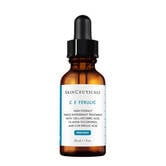
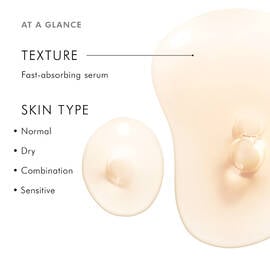
C E Ferulic Vitamin C Serum
A vitamin C serum for fine lines and wrinkles.
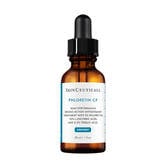
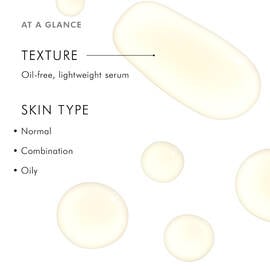
Phloretin CF Vitamin C Serum
Phloretin CF with ferulic acid is an advanced vitamin C serum for hyperpigmentation and discolouration.
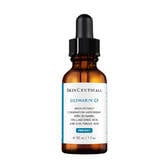
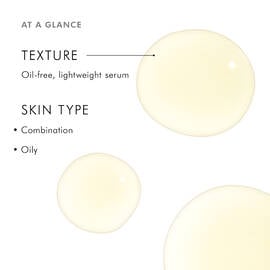
Silymarin CF Vitamin C Serum for Oily Skin
Vitamin C serum for oily skin and blemish-prone skin types
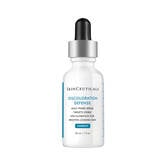
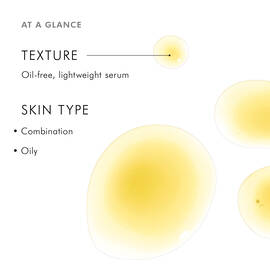

Discoloration Defense Dark Spot Corrector
Kojic acid and tranexamic acid serum targeting visible skin discolouration
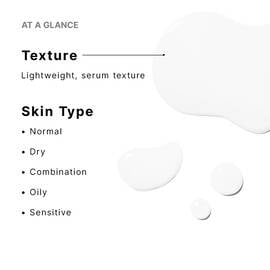

P-TIOX Peptide Serum
An advanced peptide anti-wrinkle serum designed to visibly reduce hard to treat wrinkles and fine lines
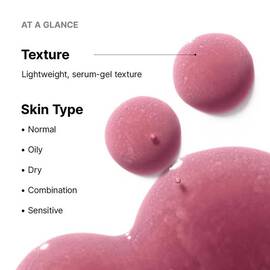
Hyaluronic Acid Intensifier Multi-Glycan
A Hyaluronic Acid Volumising and Plumping Serum.
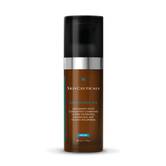
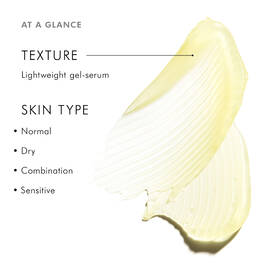
Resveratrol B E Antioxidant Night Serum
A unique concentrated antioxidant serum for evening use that visibly improves fine lines and discolouration caused by free radical damage
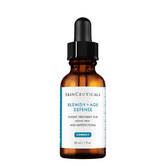
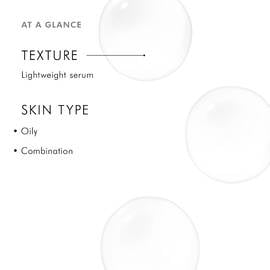
Blemish and Age Defense Salicylic Acid Serum
A dual-action corrective gel to reduce sebum production, minimising breakouts, whilst improving the appearance of fine lines and wrinkles
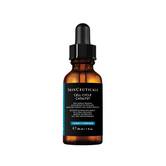
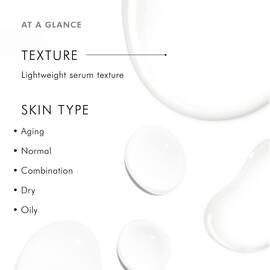
Cell Cycle Catalyst Anti-Ageing Serum
A potent skin renewal serum that gently exfoliates to smooth texture and improve the appearance of discolouration and visible lines