Article Overview
- Crow's feet are those small, fine lines that extend from the outer corners of the eyes, resembling the claw marks of a crow (hence the name). While it's a common and inevitable result of skin ageing, declining collagen and elastin levels and repeated facial expressions, wrinkles around the eye can appear earlier in life, or be more pronounced depending on a number of other factors. Smoking, stress levels, sun exposure and genes can all influence the formation of crow's feet. While it’s not possible to avoid or get rid of crow’s feet completely, there are steps you can take to minimise their appearance and prevent premature skin ageing. Below we outline steps to take to minimise crow's feet wrinkles, including choosing the right skincare, and ways to conceal their appearance.
What causes crow’s feet?
Crow’s feet are caused by gradual loss of skin elasticity due to skin ageing. The thin skin around the eyes coupled with repeated muscle use from smiling, squinting, or making other facial expressions means crows fee appear quite early on. Other contributing factors can influence how early crow’s feet appear, as well as the depth of wrinkles. These factors include:
Sun exposure: Ultraviolet (UV) radiation from the sun damages collagen and elastin, the proteins that give skin its structure and elasticity. This weakens the skin's ability to bounce back and makes wrinkles more prominent and permanent.
Ageing: As we age, our skin’s collagen and elastin levels decline, making the skin thinner and less elastic, which leads you to develop fine lines and wrinkles.
Genetics: Genetics play a role in how early and how pronounced crow’s feet are. If your parents have more pronounced crow’s feet, you’re more likely to have them too.
Smoking: Smoking accelerates the ageing process, and affects collagen and elastin, leading to premature wrinkle formation.
Dehydration: Dehydrated skin, caused by both poor skincare habits as well as not drinking enough water, is more prone to wrinkling.
Sleeping position: Sleeping on your side, with your face pressed against a pillow, can contribute to the formation of deep, static wrinkles and crow's feet.
Stress: Stress has an effect on the entire body, including the skin. Stress triggers the production of cortisol, which affects a number of functions including collagen and elastin responsible for the skin’s elasticity. If you’re chronically stressed you might be contributing to the early formation of wrinkles, including crow’s feet.

Can I prevent crow's feet?
It's not possible to prevent crow's feet entirely, as it's a natural part of the skin ageing. However, you can significantly delay their onset and minimise their appearance by adopting proactive steps to maintain your skin’s condition.
1. Prioritise sun protection
UV rays are one of the most significant contributors to skin ageing, which is why sun protection is the most effective strategy for preventing premature ageing. Apply a broad-spectrum, high SPF sunscreen every day, even on cloudy days. Reapply every two hours, especially after swimming or sweating. For crow’s feet, wearing sunglasses with UV protection whenever you're outdoors can reduce squinting, a major contributor to crow's feet.
2. Quit smoking
Smoking accelerates the ageing process and damages collagen and elastin, leading to premature wrinkles and crow's feet. Quitting smoking is another factor that can have a significant impact on preventing premature crow’s feet.
3. Manage your stress levels
To manage cortisol levels that affect collagen and elastin, practice stress-management techniques like yoga, meditation, or deep breathing exercises.
4. Get enough sleep
Inadequate sleep can also impact cortisol levels, which is why a regular sleep cycle is crucial. Tired skin can also make wrinkles and crow's feet more pronounced, so aim for 7-9 hours of quality sleep each night.
5. Use a satin or silk pillowcase
If you’re a regular side-sleeper, consider swapping out your regular pillowcase for a silk or satin one. Silk and satin are gentler on the skin, which can reduce pressure on the face and minimise the formation of wrinkles.
6. Avoid tugging at or rubbing the eye area
The skin around the eye is thinner and more delicate than other areas of the face, making it more likely to lose its elasticity and wrinkle, hence why crow's feet are so common. Try not to pull at our aggressively rub the skin around the eye, as it will eventually be harder for the skin to bounce back to its original shape. And always use gentle cleansers and apply skincare in a gentle, tapping motion around the eyes.
7. Professional cosmetic treatments
For more pronounced wrinkles or to prevent the formation of crow’s feet, some professional treatments can help in achieving a smoother, more youthful-looking appearance. Chemical peels, microdermabrasion, and some forms of laser resurfacing can help in promoting collagen production and re-plumping the skin, both helping minimise the appearance of eye wrinkles.
8. Skincare ingredients for crow’s feet
Lastly, your skincare routine can help minimise premature skin ageing as well as help visibly reduce existing crow’s feet. In addition to a regular, tailored routine incorporating a cleanser, moisturiser and sunscreen, certain active ingredients can address unwanted crow’s feet.
Retinoids
Retinoids, derived from vitamin A, such as retinol increase cell turnover, supporting collagen and elastin production, which helps to improve skin texture, skin elasticity and reduces the appearance of facial wrinkles like crow's feet.
Peptides
Peptides are chains of amino acids, some of which can promote collagen production in the skin. Peptide serums can increase collagen, helping to firm and strengthen the skin moisture barrier, reducing the appearance of wrinkles like crow's feet.
Hyaluronic acid
Hyaluronic acid is a humectant, meaning it draws and holds moisture, plumping the skin and temporarily reducing the appearance of fine lines and wrinkles like crow's feet. This added hydration smooths the skin's surface, making crow's feet less noticeable.
Vitamin C
Vitamin C, among other antioxidants, protects the skin from free radical damage that contribute to skin ageing, including visible crow’s feet. Vitamin C can also support collagen production, helping to maintain the skin’s elasticity and suppleness.
Proxylane
Proxylane, a sugar-protein derivative, boosts the skin's natural hyaluronic acid and collagen production. This action plumps and hydrates the delicate sk>in around the eyes, reducing the appearance of fine lines and crow's feet by improving firmness and elasticity. It strengthens the skin's structural support for a smoother loo
SkinCeuticals Crows Feet Routine
Skincare and makeup can help conceal and visibly reduce the appearance of crow’s feet for a smoother appearance. Here’s a few steps we recommend:
For the Morning
- Apply your favourite Vitamin C Serum depedning on your skin type
- Apply AGE Interrupter EYE Cream
- Apply Sunscreen to protect from free radical damager
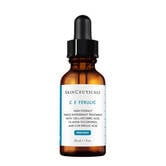
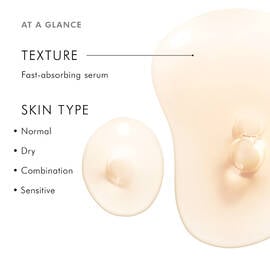
C E Ferulic Vitamin C Serum
A vitamin C serum for fine lines and wrinkles.
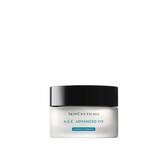

A.G.E. Advanced Eye for Dark Circles
Brightening eye cream for dark circles, fine lines and wrinkles
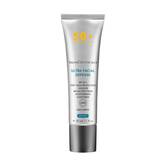
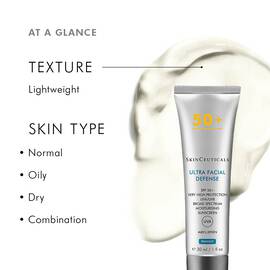
Ultra Facial Defense Sunscreen SPF50
SPF50+ broad spectrum facial sunscreen for very high-level protection against UVA/UVB rays
For the Evening
- Apply a retinol cream. Remember to start with a low concentration if you are new to retinol.
- Apply AGE Interrupter Ultra Serum
- Finish with the AGE Interrupter Face Cream
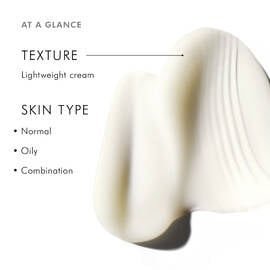
Retinol 0.3 Anti-Ageing Night Cream
A concentrated facial cream featuring 0.3% pure retinol to improve the appearance of visible signs of ageing and minimise breakouts


A.G.E. Interrupter Ultra Serum
A rapid hydration serum which visibly lifts skin, defines contours, and reduces effects of glycation
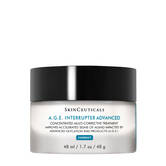
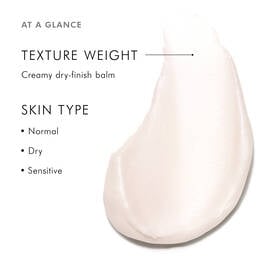
A.G.E Interrupter Advanced Anti-Wrinkle Cream
An advanced anti-wrinkle cream formulated to target glycation, visibly improve firmness and reduce fine lines